Blog

  • THE ART OF STAYING: CASEY LIPKA’S QUIETLY DEVASTATING “NEVER WANT TO SAY”

    THE ART OF STAYING: CASEY LIPKA’S QUIETLY DEVASTATING “NEVER WANT TO SAY”


    Photos / Atzin Chavez

    Hailing from Los Angeles, bassist, singer, and composer Casey Lipka’s sound stretches across styles; she approaches every project with an open mindset. She has logged serious miles on the road, touring across the U.S. and overseas with her own bands and pulling bass duty for the alt-rock band CAKE. At her core, Casey is about making honest music that connects with her audience while championing women and nonbinary artists and keeping the dialogue alive.

    Casey also launched a music initiative designed to bring marginalized voices to the forefront. The program spotlights voices that are too often sidelined, including women, BIPOC women, and disabled women. Each installment pairs a live performance with a candid conversation, giving artists space to share their real-world experiences alongside their songs. Kicking off in January 2026, the series introduces a new musician every two weeks, building a growing archive of talent, stories, and community.

    However, today we are taking a look at her newest release, “Never Want To Say,” a tune with such remarkable staying power that it feels like you’re right at that place you call home, comfort and all included. “Never Want To Say” is soft, soothing, and embracing, three things all of us could use more of in our lives. The acoustic guitar, paired with Casey’s beautiful voice, is what truly elevates the song from good to exceptional. She pours her heart and soul into the lyrics, delivering a message that touches the very core of your being.

    The song’s message leans into the beautiful chaos of relationships, where nothing is certain, and things can get messy quickly. Love is awkward and complicated, and occasionally it can lead to deep pain. Still, there is something powerful about choosing to stay in it. To lean closer instead of backing away. To dig in, sort through the mess, and defend the parts of yourself that feel real. In that choice, flaws and all, “Never Want To Say” finds its core. “Never Want To Say” is the emotional equivalent of stepping into the spotlight and hoping the person across from you does not head for the exit. There is courage in that kind of honesty, especially when you know the truth might shake the room.

    Casey’s style could be compared to artists like Breymer and Maple Glider, voices that resonate with listeners thanks to the depth of emotion and powerful themes they convey in their songs. If you’re looking for an incredible artist to add to your playlist, Casey Lipka is the one for you.

    CONNECT WITH CASEY

    INSTA


    The post THE ART OF STAYING: CASEY LIPKA’S QUIETLY DEVASTATING “NEVER WANT TO SAY” appeared first on LADYGUNN.

  • Wood!

    Wood!

    We are bringing the wood.

    To set up the fire in the jungle.

    So it makes our hands warm!

  • New Study Links the Air Inside Your Home to Rising Anxiety

    Most of us think about air quality in terms of pollution, smoke, or allergens. But there is something else in the air that rarely gets discussed: carbon dioxide. And a growing body of research suggests it may be doing more to our bodies than we realize, including affecting how anxious we feel on a daily basis.

    A study published in February 2026 in the journal Air Quality, Atmosphere and Health analyzed blood chemistry data from tens of thousands of Americans collected over two decades. Researchers found a slow but consistent shift in how our blood is behaving, one that appears to track rising CO2 levels in the atmosphere.

    The part that stopped us cold was this passage from the paper:

    “Even a small permanent increase in global human anxiety could have a dangerous impact on societies, being associated with greater fear, mental disturbance, conflicts, etc.”

    This is not a fringe blog post. This is peer-reviewed science, published in a Springer journal, about something happening in the air of your home right now.

    Here is what you need to know.

    ⚡ Key Takeaways

    😰 Anxiety link is real — CO2 sensitivity is a hardwired biological alarm. Research shows anxiety hormones rise in mammals at 700–1,000 ppm, a level your home regularly hits.

    🧠 Your thinking suffers too — Multiple studies link indoor CO2 of 1,000–2,500 ppm to significant drops in decision-making, focus, and cognitive performance.

    🩸 Your blood chemistry is shifting — A new study of 70,000+ Americans found bicarbonate levels rising steadily since 1999, tracking atmospheric CO2 increases.

    ⚠ Longer-term concerns are emerging — Early research points to kidney calcification, oxidative stress, and cellular disruption, though most evidence comes from higher concentrations.

    ✅ You can act today — Open windows, take outdoor breaks, and consider a CO2 monitor. Indoor air quality is one of the most overlooked wellness levers you have.

    Your Body Is Already Responding

    When you breathe in CO2, your body converts most of it into a compound called bicarbonate to transport it through your blood. The NHANES dataset, a large and trusted U.S. health survey, shows that average blood bicarbonate levels have been creeping upward since 1999, in step with rising atmospheric CO2. At the same time, calcium and phosphorus levels in blood have been slowly declining.

    None of these changes are dramatic enough to make you feel sick right now. But the trend is consistent, and the researchers believe it reflects a quiet, ongoing adjustment the body is making to changing air composition.

    Think of it less like a light switch and more like a slow dimmer. Gradual, almost imperceptible, but potentially meaningful over a lifetime.

    The Anxiety Connection

    Here is the part that may surprise you most. CO2 sensitivity is one of the most ancient alarm systems in the animal kingdom. When CO2 rises in an enclosed space, your nervous system reads it as a potential threat. That response is hardwired into our biology.

    What makes the new research particularly interesting is how that sensitivity works. It is not an on/off switch. CO2 sensitivity is distributed across the population the same way most biological traits are, with some people more reactive and most people somewhere in the middle. The study authors point to research showing anxiety-related hormones rising in mammals at CO2 levels in the range of 700 to 1,000 ppm. That is a range that a poorly ventilated bedroom, office, or classroom can hit on a regular basis.

    Worth knowing: The concern is not that you will have a panic attack from breathing ordinary outdoor air. It is that rising CO2 could be nudging the anxiety needle slightly for a very large number of people at once. The researchers note that even a small permanent increase in global anxiety could ripple outward into fear, disturbance, and conflict in ways that would be nearly impossible to trace back to their source.

    If you already struggle with anxiety at night or find that sleep hygiene improvements are not moving the needle the way you expected, indoor air quality may be worth a closer look.

    Your Brain May Not Be Working at Its Best

    This is where the evidence gets fairly solid. Multiple well-designed studies have found that CO2 levels commonly found indoors, around 1,000 to 2,500 ppm, measurably affect cognitive performance. Decision-making, focus, and problem-solving all take a hit.

    A landmark study from Lawrence Berkeley National Laboratory and SUNY Upstate Medical University exposed participants to CO2 at 600, 1,000, and 2,500 ppm. At 1,000 ppm, performance was significantly impaired on six of nine decision-making scales. At 2,500 ppm, seven of nine scales showed large reductions, including skills the researchers described as reaching dysfunctional levels for strategic thinking and initiative.

    A follow-up Harvard study of office workers found that cognitive scores were 61 percent higher in well-ventilated green-certified buildings compared to conventional ones. CO2 was independently associated with performance across all nine cognitive domains tested.

    For context: Outdoor air sits around 420 ppm right now. A closed office or classroom can easily hit 1,000–1,500 ppm by mid-afternoon, and a sealed bedroom overnight can climb even higher. Most people have no idea what the air in their own home is actually doing.

    This is worth thinking about if you are working on building better daily habits or trying to stay focused and productive at home. Your environment is part of that equation in ways most wellness content never addresses.

    The Deeper Concerns: Kidneys, Cells, and Proteins

    The 2026 study also points to longer-term effects that are less established but worth understanding.

    Kidney Calcification

    Kidney calcification has been observed in animals exposed to elevated CO2 over extended periods. The mechanism involves an enzyme called carbonic anhydrase, which becomes overactive when processing excess CO2 and can trigger calcium deposits in tissue. This connects to broader research on bone health and the ways chronic physiological stress can affect mineral balance over time.

    Oxidative Stress

    Oxidative stress, essentially cellular wear and tear from unstable oxygen molecules, has been linked to CO2 exposure in both animal and bacterial studies. It plays a role in everything from inflammation to cancer risk to neurodegenerative disease.

    Protein Misfolding

    Some researchers have proposed that chronically elevated CO2 could disrupt how proteins fold and function at the cellular level, potentially contributing to conditions like diabetes and neurological disorders. This is early-stage science, published in peer-reviewed journals and taken seriously by researchers, but not yet confirmed in long-term human studies.

    It is worth being clear: most of these effects have been studied at CO2 levels much higher than what we currently breathe outdoors. The researchers are extrapolating carefully. Long-term human data at the levels we are heading toward does not yet exist.

    Indoor Air Is the Real Conversation

    Here is the reassuring part. The outdoor atmosphere, while changing, is not the immediate problem. The more pressing issue is where you spend most of your time. Americans spend roughly 90 percent of their time indoors, and indoor CO2 levels are almost always higher than outdoors, sometimes dramatically so.

    What you can do right now: Open windows when multiple people share a space. Pick up a CO2 monitor. They are inexpensive and genuinely eye-opening. Many people discover their bedroom regularly hits levels that would concern an office safety manager. Take outdoor breaks during the workday, especially if your space feels stuffy by afternoon.

    These habits connect to the broader picture of wellness. Managing stress and supporting your body’s resilience all interact with the quality of the air around you in ways most wellness content never discusses.

    The Bottom Line

    This research is not a reason to panic. It is a reason to pay attention to something most of us have never thought to track.

    CO2 is not just a climate issue. It is a personal environment issue, one that affects how you feel, how you think, and possibly how anxious or calm you feel on any given day. The indoor air quality research is solid enough to act on, even while the longer-term science continues to develop.

    Your environment shapes your biology, quietly, all the time. The air is part of that.


    Sources: Larcombe and Bierwirth (2026), Air Quality, Atmosphere and Health. Causation has not been definitively established and further research is ongoing. Supporting cognitive studies: Satish et al. (2012) and Allen et al. (2016), Environmental Health Perspectives.

    The post New Study Links the Air Inside Your Home to Rising Anxiety appeared first on Better Living.

  • Glazing and Entryways: The Upgrades That Actually Transform Your Home

    There are upgrades that make your house look a little nicer, and then there are upgrades that completely change how it feels to walk up to your front door and step inside. Windows and doors fall squarely in the second category. The right glazing floods your rooms with natural light. The right entryway sets the tone before anyone even crosses the threshold.

    A home’s character really comes to life through the way its lines meet natural light. For people in Western Canada, where the weather can turn on a dime, picking a partner like Canadian Choice Windows and Doors Calgary makes all the difference. High performance materials like uPVC and fiberglass don’t just look sharp, they help keep a home feeling warm and inviting, even when the forecast isn’t on your side.

    Whether you’re renovating a century home or building something brand new, here’s what’s worth knowing about the glazing and entryway trends that are actually making a difference right now.

    Your Front Door Sets the Entire First Impression

    Think about the last time you walked up to a house and noticed the front door. Maybe it was a bold color, or the hardware caught your eye, or it just felt like the home had been thoughtfully put together. That’s not an accident. Your front door is the handshake your house gives the neighborhood.

    Design has shifted away from ornate, fussy hardware and moved toward clean lines and natural color palettes. Sage, navy, and warm wood tones are everywhere right now, and they work whether your home leans modern or traditional. If you’ve been thinking about what might be making your home look dated, the front door is one of the first places to look.

    Smart Tech at the Door

    Modern entry doors often come wired with smart locks and sensors you can check from your phone. You get added security without cluttering up the design. Features like thermally broken frames and advanced weather stripping mean these doors work hard behind the scenes to block drafts and save on energy costs too.

    The “Transparent Wall” Trend Is Here to Stay

    More and more homeowners want their living spaces to spill right into the outdoors. Big picture windows and sliding glass doors are replacing the old grid of small panes, making patios and living rooms feel like one continuous space. If you’ve ever walked into a room that just felt open and alive, chances are the glazing had a lot to do with it.

    Frames are slimmer than ever thanks to new engineering. Less frame means more glass, and more glass means more sunlight. That’s something everyone craves, especially during long gray winters.

    Why Triple Pane Is the New Standard

    Double pane glass had a good run, but triple pane is quickly taking over. Filled with argon or krypton gas, these advanced windows keep things noticeably quieter inside and hold onto heat far more effectively. Smart coatings on the glass even adapt based on which direction the window faces. South facing glass rejects extra heat, while north facing glass holds warmth in.

    Choosing the Right Window Style for Each Room

    Every window style has a job to do, and the right choice depends on your home’s era and the needs of each room. A slim casement window might be perfect for your kitchen, while a big bay window could add charm and a sunny reading nook in the bedroom.

    Tilt and Turn Windows

    Borrowed from European designs, tilt and turn windows are catching on fast. You can crack them open at the top for a little ventilation or swing them wide for a full breeze and easy cleaning. They’re especially popular in city homes where space is tight but you still want fresh air circulating. Made with high quality vinyl or composites, they avoid the warping and fading that used to be a common complaint.

    Picture Windows and Fixed Glass

    If maximum light is the goal and you don’t need the window to open, picture windows deliver. They’re perfect for framing a view or flooding a hallway with natural light. Pair them with operable windows nearby for ventilation and you get the best of both worlds.

    Quick Guide: Matching Windows to Rooms

    Kitchen: Casement windows for easy ventilation while cooking
    Living Room: Picture windows or sliding glass for maximum light and outdoor connection
    Bedroom: Bay or bow windows for charm and a cozy nook
    Bathroom: Tilt and turn for privacy with airflow
    Home Office: Large fixed glass paired with one operable window for fresh air without distraction

    Why This Is One of the Smartest Home Investments You Can Make

    Upgrading your windows and doors isn’t just about looks. High efficiency glazing comes up again and again as one of the smartest ways to boost home value. You’re also building in protection against wild temperature swings and rising energy costs, which matters whether you’re in Calgary or anywhere else with unpredictable weather.

    When you focus on real craftsmanship and the latest glazing technology, your home stays comfortable and beautiful for years. It’s one of those upgrades that pays you back every single month through lower utility bills, and then pays you back again when it’s time to sell. If you’re weighing where to put your renovation budget, this is worth exploring alongside other high impact projects like a well timed garage makeover or a guest room refresh.

    The Bottom Line on ROI

    New windows and doors consistently rank among the top home improvements for return on investment. Beyond resale value, the daily payoff is real: quieter rooms, lower energy bills, fewer drafts, and a home that simply feels better to live in.

    Finding the Right Fit for Your Home

    It’s worth sitting down with experts who know your local climate inside and out. Whether you’re leaning toward something bold and modern or prefer a more classic look, the right windows and doors make all the difference. They’re one of those upgrades where you feel the impact every single day, from the light in your living room to the way your front door feels when you close it behind you.

    The best transformations don’t shout. They just make everything feel exactly the way it should. For more ideas on making your space feel fresh and intentional, check out our tips on blending modern and traditional decor or creating a more organized and comfortable living space.


    The post Glazing and Entryways: The Upgrades That Actually Transform Your Home appeared first on Better Living.

  • The Era of High-Fidelity Beauty: Defining 2026 Standards

    If you’ve been paying attention to beauty and wellness trends lately, you’ve probably noticed something. The overfilled lips and frozen foreheads that once dominated social media are falling out of favor fast. In their place? Results so subtle that people can’t quite put their finger on what changed. You just look well rested, healthy, and like a really good version of yourself.

    That kind of outcome doesn’t happen by accident. To get to this level of subtlety, you need to work with top-rated plastic surgeons who know how to work with the deeper structural layers of the face and body. These highly skilled doctors are using both traditional surgery and cutting-edge regenerative medicine more and more to make sure that every patient’s change is as beautiful as it is permanent.

    So what does that actually look like in practice? Here’s what’s driving the conversation right now.

    Regenerative Treatments Are Replacing the “Fill Everything” Approach

    One of the biggest changes happening in aesthetic medicine is the move toward treatments that work with your body instead of just adding synthetic material to it. Surgeons are leaning hard into what’s called bio-stimulation, essentially encouraging your skin and tissues to repair and renew themselves from the inside out.

    Why This Matters

    These aren’t surface level fixes. Regenerative treatments trigger your body’s own healing response, which means results that look and feel more natural over time. It’s a fundamental shift from “adding stuff to your face” to “helping your face rebuild itself.”

    Exosomes and Polynucleotides

    These are cellular messengers and DNA fragments that are now being used during and after surgical procedures. They signal your tissues to heal and regenerate, which leads to that dewy, bouncy skin quality that no cream or serum can replicate. Think of them as a booster shot for your skin’s natural repair system.

    Structural Fat Grafting

    Instead of relying solely on synthetic fillers, surgeons are using a patient’s own purified fat cells to restore volume. The results look and feel natural because, well, it is you. This technique has become especially popular for people who have experienced facial volume loss after significant weight loss.

    Platelet Rich Fibrin (PRF)

    You’ve probably heard of PRP (platelet rich plasma). PRF is the next generation of that concept. It’s made from your own blood and helps speed up wound healing while improving skin thickness and elasticity over time. It’s a great complement to surgical procedures because it strengthens the skin’s foundation as you age.

    If you’re interested in supporting your body’s healing from the inside, improving your gut health is another important piece of that puzzle.

    The “Ozempic Face” Problem and How Surgeons Are Fixing It

    This is probably the most talked about topic in aesthetic medicine right now. GLP-1 weight loss drugs like Ozempic and Wegovy have helped millions of people lose significant weight, but rapid weight loss comes with its own set of challenges. Loose skin, a hollow deflated look in the face, and a body shape that doesn’t quite match how healthy you feel on the inside.

    Surgeons are responding with comprehensive makeover protocols tailored specifically to these patients.

    On the Body

    Procedures like circumferential body lifts, extended tummy tucks, and thigh lifts are being used to create a balanced, athletic shape rather than just removing excess skin. The focus is on contouring, not just tightening.

    On the Face

    Deep plane facelifts combined with targeted volume restoration are the go to for treating Ozempic Face. By working on the underlying muscle and fat pads instead of just pulling the skin tight, surgeons can restore a youthful contour that complements the patient’s new body.

    The goal is to look as healthy on the outside as you feel on the inside. Pairing those results with solid everyday healthy habits helps maintain the transformation long after recovery.

    How to Choose the Right Surgeon in 2026

    With all these new techniques and technologies available, vetting your surgeon has never been more important. Here’s what to look for before you book a consultation.

    Board Certification

    This is still the gold standard of safety. A surgeon certified by the appropriate national board for plastic surgery has completed years of specialized residency training and passed rigorous examinations. It’s the most reliable indicator of competence.

    Hospital Privileges

    Even if your procedure takes place in a private clinic, your surgeon should have privileges at a local hospital. This means other physicians have independently reviewed their skills and safety record. Think of it as a professional background check.

    Aesthetic Alignment

    Every surgeon has a style. Before committing, spend time looking through their before and after gallery. The best galleries show consistent, natural looking results across a range of ages, skin tones, and body types. If every patient looks the same afterward, that’s a red flag.

    Quick Vetting Checklist

    ✓ Board certified by the appropriate national plastic surgery board
    ✓ Active hospital privileges, even for outpatient work
    ✓ Before and after gallery with diverse, natural looking results
    ✓ Transparent about facility accreditation and complication protocols
    ✓ Willing to discuss regenerative options alongside traditional techniques

    Why “Less Downtime” Is the New Priority

    Not everyone wants or needs a major overhaul. More patients are opting for smaller, maintenance level procedures that fit into a busy life without weeks of recovery.

    Mini lifts and early intervention eyelid surgery (blepharoplasty) are two of the most popular options right now. They deliver a noticeable refresh with significantly less downtime than traditional surgery. Patients can maintain a consistent, youthful look over decades by addressing small changes before they become big ones.

    It’s a practical way to invest in your overall wellness over the long term.

    The Smart Approach

    Treat mild signs of aging early and often rather than waiting until a dramatic correction is your only option. Think of it like maintaining your car. Regular tune ups cost less and work better than waiting for the engine to fail.

    The Bottom Line

    The goal of modern aesthetics isn’t about becoming a different person. It’s about looking like the best, most rested, most vibrant version of who you already are. When expert surgical technique meets a real commitment to skin health and regenerative care, the results speak for themselves. Quietly, naturally, and beautifully.

    The post The Era of High-Fidelity Beauty: Defining 2026 Standards appeared first on Better Living.

  • The Lantern!

    The Lantern!

    A lantern is hung in a tent.

    To prevent being scared.

    Of the darkness!

  • How to Spice Up Your Coffee and Boost Brain Health

    ☕ Can Spices in Coffee Boost Brain Health?

    Spices like turmeric, cinnamon, and ginger contain bioactive compounds that researchers have linked to improved cognitive function, reduced inflammation, and slower brain aging. Adding them to your daily coffee is a simple way to get more of these compounds into your diet while upgrading your flavor.

    ⚡ Quick start: The easiest combination to try first is ¼ tsp turmeric + a pinch of black pepper + a splash of oat milk. The pepper increases turmeric absorption by up to 2,000%.

    Medical Disclaimer: This article is for informational purposes only and is not intended as medical advice. The research cited below is preliminary, and individual results may vary. Always consult your healthcare provider before making changes to your diet, especially if you take medications or have existing health conditions.

    Coffee is one of the most widely consumed beverages on earth, and emerging research continues to reveal potential benefits for brain health. A 2026 study published in JAMA involving more than 130,000 participants found that moderate caffeine intake was associated with slower brain aging and a potentially reduced risk of dementia. A separate 2025 review in Frontiers of Nutrition examined coffee’s molecular compounds and highlighted coordinated antioxidant, anti-inflammatory, and neuroprotective effects.

    But here is where it gets interesting. You may be able to amplify those potential benefits by adding certain spices to your daily cup. Spices like turmeric, cinnamon, and ginger have been studied for their own cognitive properties. When combined with coffee’s natural compounds, they may create a more powerful daily ritual for your brain.

    In this guide, we cover what the current science says about nine spices that may support cognitive function, how to combine them effectively, and how to incorporate them into a healthy daily routine.

    📊 Key Takeaways at a Glance

    Spice Primary Potential Benefit Suggested Amount
    Cinnamon Blood sugar regulation, antioxidant ¼ to ½ tsp
    Turmeric Anti-inflammatory (curcumin), BDNF support ¼ to ½ tsp + pinch black pepper
    Ginger Circulation, anti-inflammatory ¼ tsp ground or thin slice fresh
    Black Pepper Enhances nutrient absorption (piperine) Small pinch
    Cardamom Antioxidant, circulation support ¼ tsp or 1 crushed pod
    Cayenne Pepper Circulation (capsaicin), alertness Tiny pinch (start small)
    Nutmeg Mood support, antioxidant Small pinch (use sparingly)
    Rosemary Memory support (acetylcholine) Small sprig or ¼ tsp dried
    Sage Memory and mood support 2 to 3 fresh leaves or ¼ tsp dried

    Note: These amounts are general suggestions for adding flavor to coffee. They are not standardized therapeutic doses. Research on spices and cognition is still emerging. Results from studies using concentrated extracts may not directly apply to culinary amounts.

    ☕ The Foundation: How Coffee May Support Brain Health

    Coffee contains hundreds of bioactive compounds, including caffeine, chlorogenic acids, and trigonelline. These compounds work in different ways. Caffeine blocks adenosine receptors that promote drowsiness. Chlorogenic acids function as antioxidants that may help protect cells from oxidative damage.

    Research on coffee and cognitive health has been building for years. A landmark 2026 JAMA study analyzing data from over 130,000 people found an association between moderate coffee consumption and slower cognitive decline. Earlier research from the Journal of the American Heart Association also found that coffee drinkers with atrial fibrillation showed better cognitive performance, with inflammatory markers reduced by up to 27% in higher consumers.

    ☕ Good to know: Most of this research is observational, meaning it shows associations rather than definitive cause and effect. Other lifestyle factors common among coffee drinkers may also play a role. Still, the consistency of findings across large studies is promising.

    If you are interested in how coffee may support longevity more broadly, we have covered that topic in depth as well.

    🌿 9 Spices That May Enhance Your Coffee and Support Cognitive Health

    Each of these spices has been studied for properties that may benefit brain health. Some evidence is stronger than others, and we have tried to be transparent about the quality of research behind each one. Where possible, we have cited systematic reviews and meta-analyses, which represent the strongest form of evidence.

    1

    🫚 Cinnamon

    Cinnamon adds a warm, naturally sweet flavor to coffee and is one of the most studied spices for metabolic health. Its primary relevance to brain health comes through blood sugar regulation. Chronically elevated blood sugar is associated with impaired cognitive function and a higher risk of dementia.

    What the research says: A 2024 systematic review in Nutritional Neuroscience examined 40 preclinical and clinical studies on cinnamon and cognitive function. The review found that cinnamon and its bioactive compounds may influence brain function and behavior, though only two of the studies reviewed were clinical trials in humans. Separately, a 2025 umbrella review of meta-analyses confirmed that cinnamon supplementation can meaningfully improve glycated hemoglobin and blood sugar markers in people with metabolic conditions. This has indirect but important implications for brain health.

    🍽 How to use it: Add ¼ to ½ teaspoon of ground cinnamon to your coffee. Ceylon cinnamon (“true cinnamon”) contains less coumarin than cassia cinnamon and may be a better choice for regular use.

    ⚠ Safety note: Cassia cinnamon contains coumarin, which can affect the liver in large amounts. Some experts advise keeping cassia cinnamon intake under 2 grams per day for prolonged use. If you take diabetes medications, consult your doctor. Cinnamon may further lower blood sugar.

    2

    🟡 Turmeric

    Turmeric brings a warm, earthy flavor and a golden color to your coffee. Its primary active compound, curcumin, has been one of the most extensively researched natural substances for neuroprotection. If you enjoy ginger turmeric shots, you are already familiar with this powerful combination.

    What the research says: A 2025 meta-analysis in Frontiers in Nutrition pooling 9 randomized controlled trials with 501 subjects found that curcumin supplementation significantly improved global cognitive function compared to placebo. The review identified an optimal dose of 0.8 grams per day, with benefits most significant after 24 or more weeks. A separate 2024 systematic review in Cureus analyzing 12 studies found curcumin significantly improved working memory across multiple adult groups. Researchers believe curcumin may work through anti-inflammatory pathways, gut-brain axis modulation, and potential increases in brain-derived neurotrophic factor (BDNF).

    ⚠ Important caveat: Curcumin has notoriously poor oral bioavailability. Your body absorbs very little of it on its own. Pairing turmeric with black pepper (which contains piperine) may increase absorption significantly. The amounts used in clinical studies are also typically far higher than what you would add to a cup of coffee. Culinary amounts may offer more modest effects.

    🍽 How to use it: Add ¼ to ½ teaspoon of ground turmeric to your coffee along with a pinch of black pepper and a splash of your preferred non-dairy milk. Fat helps with absorption. This makes a simple golden coffee.

    ⚠ Safety note: Turmeric may interact with blood thinners. If you take any medications regularly, talk to your doctor before adding large amounts to your daily routine.

    3

    🫚 Ginger

    Ginger adds a bright, spicy kick to coffee and has a long history of use in traditional medicine. It is well established as an anti-inflammatory and antioxidant, and preliminary research suggests it may also support cognitive function.

    What the research says: A 2012 study in Evidence-Based Complementary and Alternative Medicine found that ginger extract improved attention and cognitive processing in middle-aged women. Ginger’s gingerol compounds are thought to support brain health through anti-inflammatory effects and by potentially increasing blood flow to the brain. More recent research within the 2025 nutraceuticals review in IJMS classifies ginger alongside turmeric and cinnamon as herbs with documented neuroprotective potential, though the authors emphasize that more clinical trials are needed.

    🍽 How to use it: Add ¼ teaspoon of ground ginger or steep a thin slice of fresh ginger in your coffee. Ginger pairs especially well with turmeric. Try combining them for a warming, anti-inflammatory coffee.

    4

    ⚫ Black Pepper

    Black pepper might seem like an unusual coffee addition, but even a small pinch serves an important purpose. Its active compound, piperine, is a bioavailability enhancer that may help your body absorb other beneficial compounds more effectively.

    What the research says: A 2022 review in Frontiers in Nutrition found that piperine has its own neuroprotective properties, including antioxidant effects and the ability to modulate neurotransmitter levels. Piperine is most commonly studied for its ability to enhance the bioavailability of curcumin from turmeric by up to 2,000%. That makes it an essential companion if you are adding turmeric to your coffee.

    🍽 How to use it: Add a small pinch of freshly ground black pepper to any coffee that contains turmeric. The flavor impact is minimal, but the absorption benefit may be significant.

    5

    🌿 Cardamom

    Cardamom is a staple in traditional Middle Eastern and South Asian coffee preparations, adding a floral, slightly sweet complexity. It is rich in antioxidants and provides small amounts of vitamin C, magnesium, potassium, and zinc.

    What the research says: A 2019 review in the Journal of the Science of Food and Agriculture documented cardamom’s antioxidant, anti-inflammatory, and potential neuroprotective properties. Some preclinical evidence suggests it may help prevent the accumulation of amyloid-beta plaques associated with Alzheimer’s disease. However, human clinical data is limited.

    🍽 How to use it: Add ¼ teaspoon of ground cardamom or crush one whole pod and steep it in your coffee. It pairs beautifully with cinnamon for a chai-inspired flavor. If you enjoy this combination, you might also like our chai vanilla collagen smoothie.

    6

    🌶 Cayenne Pepper

    A tiny pinch of cayenne pepper in coffee creates a surprising warmth that complements dark roasts well. Cayenne’s active compound, capsaicin, is known for boosting circulation.

    What the research says: A 2022 review in Nutrients examined capsaicin’s effects on brain health and found evidence of antioxidant and anti-inflammatory properties, along with the potential to improve cerebral blood flow. Better blood flow to the brain means better delivery of oxygen and nutrients to brain cells. The research is still mostly preclinical, so the effects in humans remain to be confirmed.

    🍽 How to use it: Start with a tiny pinch. Far less than you think you need. Cayenne is potent, and a little goes a long way. It combines well with cinnamon and a touch of honey for a Mexican-inspired mocha flavor.

    7

    🥜 Nutmeg

    Nutmeg adds a warm, slightly sweet, nutty depth to coffee. It is commonly used in holiday drinks but works beautifully year-round.

    What the research says: A 2014 review in the Journal of Medicinal Food documented nutmeg’s potential effects on mood and cognitive function through modulation of neurotransmitters including serotonin, dopamine, and acetylcholine. Nutmeg also contains myristicin, which has shown antioxidant properties in preclinical studies.

    🍽 How to use it: Freshly grate a small amount directly into your coffee. Pre-ground nutmeg works too, but fresh has significantly more flavor and aroma.

    ⚠ Safety note: Nutmeg should always be used sparingly. In large amounts (more than 1 to 2 teaspoons), nutmeg can cause nausea, dizziness, and other adverse effects due to myristicin. A small pinch in coffee is well within safe limits.

    8

    🌿 Rosemary

    Rosemary might sound unusual in coffee, but its piney, herbal notes can add an unexpected sophistication, especially to lighter roasts. Of all the spices on this list, rosemary may have some of the most interesting research behind it for memory specifically.

    What the research says: A 2022 review in Frontiers in Nutrition examined rosemary’s cognitive effects and found evidence that its compounds may improve memory and concentration. The mechanism may involve raising acetylcholine levels, a neurotransmitter critical for learning and memory. Some research also suggests rosemary may improve blood flow to the brain, enhancing oxygen and nutrient delivery.

    🍽 How to use it: Steep a small sprig of fresh rosemary in your hot coffee for 2 to 3 minutes, then remove. Or add ¼ teaspoon of dried rosemary. It pairs well with sage for a memory-supporting herbal coffee.

    9

    🍃 Sage

    Sage rounds out our list with its woody, slightly peppery profile. Like rosemary, sage has a traditional reputation as a “memory herb” that modern research is beginning to explore.

    What the research says: A 2005 study in Physiology & Behavior found that sage essential oil improved memory and mood in healthy young adults. Sage is thought to work by inhibiting acetylcholinesterase, the enzyme that breaks down acetylcholine. This keeps more of the memory-related neurotransmitter available in the brain. Some evidence also suggests sage may influence BDNF levels, though this research is still early-stage.

    🍽 How to use it: Add 2 to 3 fresh sage leaves or ¼ teaspoon of dried sage to your coffee. Like rosemary, fresh is preferable for flavor. Steep and remove before drinking.

    🧪 Spice Combinations for Synergistic Effects

    Some spices work better together than alone. Here are three combinations worth trying, based on complementary mechanisms.

    ☕ Golden Coffee: Turmeric + Black Pepper + Ginger

    This is arguably the most evidence-backed combination on this list. Black pepper’s piperine dramatically increases curcumin absorption from turmeric, while ginger adds its own anti-inflammatory compounds and a bright, spicy flavor.

    🍽 Try this: Add ¼ teaspoon each of turmeric and ginger, a pinch of black pepper, and a splash of your preferred non-dairy milk with a drizzle of honey. If you already enjoy ginger turmeric shots, think of this as the slower, more sippable version.

    ☕ Spiced Mocha: Cinnamon + Nutmeg + Cayenne

    A classic warming combination. Cinnamon provides blood sugar support, nutmeg adds mood-enhancing depth, and cayenne boosts circulation.

    🍽 Try this: Use a teaspoon of cinnamon, a small pinch of nutmeg, and a tiny dash of cayenne with oat milk and honey. This also makes a great base for spiced apple cider coffee in the fall.

    ☕ Herbal Memory Blend: Rosemary + Sage

    Both rosemary and sage may support acetylcholine levels, the neurotransmitter most closely associated with memory and learning.

    🍽 Try this: Steep a small sprig of rosemary and 2 to 3 sage leaves in your coffee, then remove. Add coconut milk and a drop of stevia for a fresh, herbal experience.

    🧠 The Gut-Brain Connection: Why It Matters for Your Coffee

    Emerging research suggests that many of the cognitive benefits attributed to both coffee and spices may operate partly through the gut-brain axis. This is the bidirectional communication pathway between your digestive system and your brain. Curcumin, for instance, has been shown to influence cognition through gut microbiome modulation. Ginger has well-documented effects on digestive health that may indirectly support brain function.

    This is why pairing spiced coffee with broader gut health practices may amplify benefits. Including probiotic-rich foods and prebiotic foods in your diet supports the microbial balance that helps your gut and brain communicate effectively.

    For a deeper dive into this topic, see our guide on improving gut health and the benefits of digestive enzymes.

    💡 Mindful Consumption: Tips for Getting the Most from Spiced Coffee

    ✅ Choose quality spices. Organic, recently purchased spices will contain higher levels of active compounds than older, lower-quality alternatives. When possible, buy whole spices and grind them yourself. Look for single-origin spices without fillers or additives.

    ✅ Start small and adjust. Begin with small amounts and increase gradually as your palate adjusts. Some spices, especially cayenne and nutmeg, are potent and easy to overdo. Pay attention to how different spices make you feel.

    ✅ Balance with a nutrient-rich diet. Spiced coffee is a complement to a healthy diet, not a replacement for one. Support your brain health with foods rich in omega-3 fatty acids, B12, magnesium, and antioxidants from fruits and vegetables.

    ✅ Consider your caffeine intake. The brain health benefits associated with coffee in research typically correspond to moderate consumption of roughly 3 to 4 cups per day. More is not necessarily better. Excessive caffeine can cause anxiety, sleep disruption, and other issues. If you are caffeine-sensitive, you might enjoy these spices in coffee alternatives or even in green tea, which offers its own cognitive benefits with less caffeine.

    ⚠ Be aware of interactions: Some spices can interact with medications. Cinnamon and turmeric may affect blood sugar levels. This is important if you take diabetes medications. Turmeric may also interact with blood thinners. If you take any medications regularly, talk to your doctor before adding large amounts of spices to your daily routine.

    🏃 Lifestyle Habits That Support Long-Term Brain Health

    Adding spices to your coffee is one small piece of a larger picture. Research consistently shows that cognitive health depends on a combination of diet, physical activity, mental stimulation, sleep, and stress management.

    🏃 Move your body regularly. Physical activity is one of the most well-established ways to support brain health. Even small amounts matter. Research suggests that just five minutes of daily exercise may help lower dementia risk. Activities that combine physical movement with coordination, like dancing, may be especially beneficial for cognitive function.

    😴 Prioritize sleep. Your brain consolidates memories and clears metabolic waste during sleep. Poor sleep is strongly associated with cognitive decline. If you struggle with sleep, our guides on sleeping better naturally and good sleep hygiene may help.

    🧘 Manage stress effectively. Chronic stress can impair cognitive function and accelerate brain aging. Find stress management techniques that work for you. We have compiled practical ways to reduce stress and techniques for calming anxiety at night. Adaptogenic herbs like ashwagandha are also gaining research support for stress management.

    🧩 Challenge your brain. Mental stimulation helps build cognitive reserve that may protect against decline. The goal is to regularly engage in activities that feel slightly challenging rather than purely routine.

    For a more comprehensive look at how daily habits influence brain health and aging, see our article on lifestyle and lifespan.

    🍵 More Spiced Beverage Ideas

    If you enjoy adding spices to your coffee, you might also want to explore these related recipes and ideas:

    ☕ The Bottom Line

    The research connecting coffee, spices, and brain health is genuinely interesting, and it is growing. Large-scale studies continue to find associations between moderate coffee consumption and slower cognitive decline. Individual spices like turmeric, cinnamon, and ginger are building their own evidence base for neuroprotective properties.

    That said, it is important to keep expectations realistic. Adding a pinch of cinnamon to your morning coffee will not cure or prevent any disease on its own. What it can do is contribute to a broader pattern of healthy choices (good nutrition, regular movement, quality sleep, and mental engagement) that collectively support your brain over time.

    The best part? These spices also make your coffee taste better. So even setting the science aside, there is a strong flavor argument for experimenting with spiced coffee. Start with what sounds appealing, adjust to your taste, and enjoy the ritual. Your brain and your taste buds may thank you for it.

    For more ideas on supporting your overall wellness, explore our healthy habits guide, 9 must-have herbs for cleansing the body, and our guide to MCT oil benefits (another popular coffee addition).

    Disclaimer: This article is for educational purposes only and is not intended to diagnose, treat, cure, or prevent any disease. The information provided is not a substitute for professional medical advice, diagnosis, or treatment.

    Always seek the advice of your physician or other qualified health provider with any questions you may have regarding a medical condition. Never disregard professional medical advice or delay in seeking it because of something you have read in this post.

    The post How to Spice Up Your Coffee and Boost Brain Health appeared first on Better Living.

  • How to Dye Easter Eggs with Silk Ties or Scarves

    If you have never made silk tie Easter eggs before, this is the craft that will completely replace every dye tablet kit in your house. The results look like tiny works of art and the whole project costs next to nothing if you raid the tie rack at your local thrift store.

    Here is the cool part: when 100% silk fabric is boiled with an egg in a vinegar-water bath, the natural dye in the silk transfers directly onto the eggshell and prints the pattern almost like a stamp. The acetic acid in the vinegar acts as a mordant, helping the color bond permanently to the shell. Every single egg comes out completely different, and that is what makes this so fun every year.

    🐣 Please Note: Eggs dyed this way are not edible. The fabric dyes are not food-safe. If you would like to keep your eggs year after year, use blown-out eggs instead. We cover that below!

    🌸 Quick Glance

    ⏱ Active Time: 30 minutes  |  🔥 Cook Time: 20 minutes  |  ❄ Cool Time: 20 minutes

    🎯 Skill Level: Easy  |  👨‍👩‍👧 Great for kids! (wrapping is the best part)

    🥚 Best with: White eggs  |  🧵 Fabric: Must be 100% silk. No exceptions!

    What You Will Need

    Getting your supplies together before you start makes this whole project flow really smoothly. Here is everything you need.

    Eggs

    White eggs show the most vibrant color transfer. Brown eggs give a more muted, antique-looking result that is equally beautiful in its own way. A mix of both looks gorgeous displayed together in a bowl. You can also use blown-out eggs if you would like to preserve them to bring out every Easter. See the FAQ section below for tips on making that work.

    Curious about eggs in general? Our guide to the perfect boiled egg has everything you need to know about timing and technique.

    100% Silk Fabric

    This craft only works with real silk. Polyester looks nearly identical but transfers zero dye and you will end up with a completely blank white egg. Old neckties are the most popular source, but silk scarves, blouses, and vintage silk handkerchiefs all work beautifully too.

    💡 Thrift Store Tip: Ties usually run $0.50 to $2 each and you can cover 2 to 3 eggs per tie. Check the main label first, and if it is missing, look for the tiny label tucked inside the skinny end. Ugly ties make the best eggs! Dense paisleys, bold geometrics, and dark jewel tones like navy, burgundy, and forest green tend to give the most dramatic results.

    White Outer Fabric

    An old white pillowcase, thin dish towel, or t-shirt torn into squares works perfectly. This wraps over the silk-covered egg to press the silk firmly against the shell and keep the colors from bleeding between eggs in the pot. Do not skip this step — it makes a real difference in how vibrant the finished eggs look. Our post on creative ways to use fabric around the home has more ideas for putting old textiles to good use.

    Everything Else

    • Twist ties or rubber bands — for securing both wrapping layers. Twist ties are much easier to work with.
    • White vinegar — ¼ cup added to the pot. This is what helps the dye bond to the shell.
    • Scissors and/or a seam ripper — for deconstructing the ties.
    • A non-reactive pot — stainless steel or enamel only. Avoid aluminum, which can react with vinegar.
    • Tongs — for lifting hot eggs out of the pot safely.

    How to Dye Easter Eggs with Silk Ties: Step by Step

    The process is simple and the most important thing to remember is that the printed side of the silk goes directly against the egg. Everything else follows naturally from there.

    🧵 STEP 1: PREPARE THE SILK

    Cut along the back seam of the tie and open it flat. Remove the lining, interfacing, and any tags — you just want the outer silk shell. Cut it into squares large enough to wrap around an egg with a little extra to gather and twist at the top.

    🥚 STEP 2: WRAP IN SILK

    Place the egg in the center of a silk square with the printed (right) side of the fabric facing inward toward the egg. Direct contact is what creates the pattern transfer, so pull the fabric as tight and smooth as you can without cracking the egg. Wrinkles and folds create beautiful watercolor swirls in those areas. Those happy accidents are part of the charm! Twist the excess fabric at one end and secure with a twist tie.

    🤍 STEP 3: WRAP IN WHITE FABRIC

    Cut a square of white fabric and wrap it snugly around the silk-covered egg, securing it the same way. This outer layer holds everything tight against the shell and prevents colors from bleeding between eggs in the pot.

    🔥 STEP 4: BOIL

    Place all wrapped eggs in your non-reactive pot. Cover completely with cold water, then add ¼ cup white vinegar. Bring to a boil, reduce to a simmer, and cook for 20 minutes.

    ✨ STEP 5: COOL AND UNWRAP

    Remove eggs with tongs and set them on a towel or cooling rack — still wrapped — until cool enough to handle comfortably. Then unwrap and enjoy the reveal. This is genuinely the best part of the whole project! For a beautiful subtle shine, rub each finished egg with a small amount of vegetable oil.

    🐰 Pro Tip — Where You Tie Matters! The pattern transfers most clearly on the opposite side from your knot. If you are displaying eggs upright in an egg cup, tie at the top of the long end. If you want the design showing on the side in a bowl or nest, wrap the egg horizontally before tying.

    Tips for the Best Results

    Dark, bold patterns win every time. Dense paisleys, rich florals, and saturated geometric prints give the most dramatic transfers. Pale or lightly patterned ties can be beautiful too, but the results will be much more subtle.

    White eggs vs. brown eggs. White eggs show the full, bright color of the silk. Brown eggs create a more muted, antique-looking result. Both are gorgeous — trying a mix of both makes a really striking display.

    What if the pattern did not transfer? The most common reason is polyester fabric posing as silk. Even if the label says 100% silk, lower-quality or older ties can be mislabeled. A blank egg almost always means the tie was synthetic.

    Can you reuse the silk? Yes! You can typically get 2 to 3 uses per piece before the color transfer becomes too faint to be interesting. The fabric fades a little more with each use.

    Which ties should you look for? The busier and bolder, the better. Heavy dye content, lots of detail, and strong color saturation all equal a more spectacular egg. That hideous Christmas tie from 1994 might actually be your best one.

    Looking for more creative ways to decorate for spring? Our natural spring DIYs and faux mercury glass vases are two of our favorite seasonal projects.

    Using Blown-Out Eggs

    If you want eggs you can bring out year after year, use blown-out eggs instead of raw eggs. The process is exactly the same — just handle them more gently when wrapping since hollow eggs are more fragile. Here is a step-by-step guide on how to blow out eggs. Store your finished blown eggs carefully in tissue paper and they will last for many Easters to come.

    🌷 Complete Your Easter Table!

    These eggs look stunning displayed in a simple bowl or nest alongside our other favorite Easter projects. Pair them with our Low-Sugar Bunny Butt Cupcakes and No-Sugar Easter Sugar Cookies for a holiday spread that looks as good as it tastes. And if you are doing a full spring refresh, our spring cleaning tips are a great place to start.

    Frequently Asked Questions

    Can I eat these eggs?

    No. The fabric dyes are not food-safe, and the eggs are boiled much longer than standard hard-boiling time. These eggs are decorative only. Store them in the refrigerator when not actively on display. If you are curious about eggs from a food standpoint, check out our post on whether it is healthy to eat eggs every day.

    Does the silk have to come from a necktie?

    Not at all. Any 100% silk fabric works — scarves, blouses, vintage handkerchiefs, whatever you find at the thrift store. The only rule is that it must be real silk.

    Why does vinegar matter?

    Vinegar acts as a mordant, meaning it helps the natural dye molecules in the silk bond to the calcium carbonate in the eggshell. Without it, the color transfer is noticeably weaker and far less vibrant.

    What pot should I use?

    Stainless steel or enamel-coated pots are ideal. Avoid aluminum, which can react with the vinegar and potentially affect your results.

    Can I do this craft with kids?

    Absolutely. The wrapping prep is fun for all ages and kids love the unwrapping reveal at the end. Just handle the boiling water step yourself and let the little ones do everything else.

    Where is the best place to find silk ties?

    Thrift stores and estate sales are your best bet. Goodwill, Salvation Army, and local consignment shops often have large tie selections for $0.50 to $2 each. The more patterns the better, and remember — ugly ties make beautiful eggs!

    Can I use the silk more than once?

    Yes, 2 to 3 times typically. Expect the color to fade a little with each use, but the eggs will still turn out lovely on the second go-around.

    Will this work with wooden or ceramic eggs?

    Several crafters have tried this and report inconsistent results with wooden and ceramic eggs. The technique works best on real eggshells where the dye can bond directly to the shell surface.

    Do I have to wrap the eggs in plain fabric after the silk?

    It is not strictly required but we strongly recommend it. The outer layer holds the silk tighter against the egg and keeps colors from bleeding between eggs in the pot. Skipping it will still work, but your colors may be less vibrant.

    🌸 Ready to make yours? Grab a handful of thrifted ties, a bag of eggs, and get ready for the most satisfying Easter craft reveal you have ever experienced. Every single egg is a surprise — and they all look like tiny masterpieces. Happy Easter! 🐣

    The post How to Dye Easter Eggs with Silk Ties or Scarves appeared first on Better Living.

  • Bunny Butt Easter Cupcakes (Low-Sugar) | Only 20 Carbs!

    Bunny Butt Easter Cupcakes (Low-Sugar) | Only 20 Carbs!

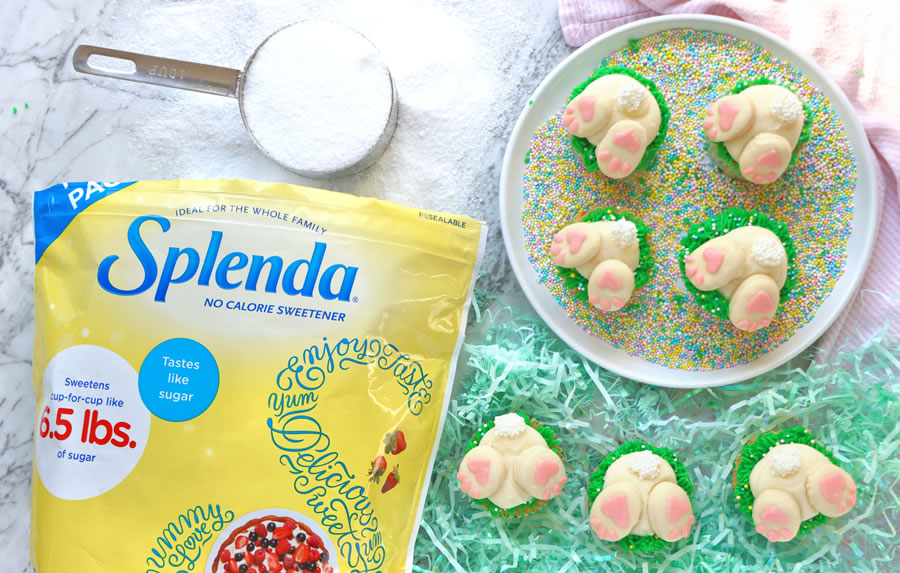
    Sponsored Post: This post is sponsored by SPLENDA. SPLENDA No Calorie Sweetener is a great way to enjoy your favorite sweet recipes with less sugar. All opinions, recipes, and content are our own.

    🐰 The Cutest Easter Treat You Will Ever Make

    If you are looking for Easter baking ideas that are fun, adorable, and actually achievable at home, these Low-Sugar Bunny Butt Cupcakes are exactly what you need. Fluffy low-sugar cupcakes topped with green buttercream grass, white chocolate dipped bunny feet cookies, and a little marshmallow tail poking up from the frosting. They are almost too cute to eat. Almost.

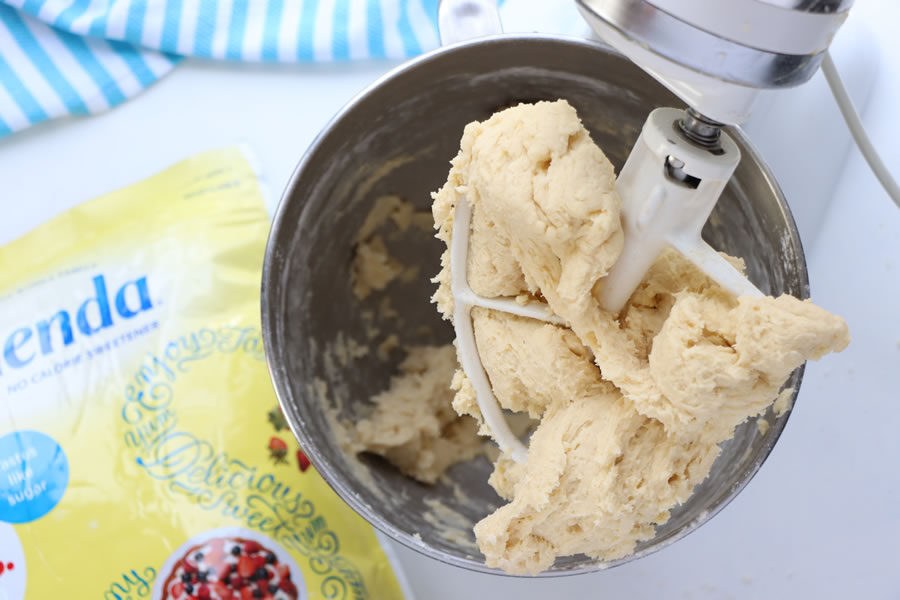
    These are a fantastic Easter baking project for kids and adults alike. The components can mostly be made the night before, which makes them one of the most practical make-ahead Easter desserts in our collection. And because we use SPLENDA Granulated Sweetener in place of most of the sugar, each cupcake comes in at just 20 grams of carbs without sacrificing any of that golden, buttery flavor.

    What makes these Easter cupcakes special: Every element is handmade and customizable, the low-sugar swap is completely seamless in terms of taste, and the finished result looks like it came from a professional bakery. They are the kind of Easter treat that gets photographed before anyone takes a bite.

    🐣 Quick Stats: About 4 hrs total (including baking, cooling, decorating) | Makes 18 cupcakes | Components can be made the night before | Only 20g carbs per cupcake

    Overhead close-up of three finished low-sugar Easter bunny butt cupcakes with green buttercream grass, white chocolate cookie feet, and marshmallow tails on a white background
    Overhead close-up of three finished low-sugar Easter bunny butt cupcakes with green buttercream grass, white chocolate cookie feet, and marshmallow tails on a white background The finished bunny butt cupcakes: green buttercream grass, white chocolate bunny feet, and a fluffy marshmallow tail. Almost too cute to eat.

    🌱 Why You Will Love These Easter Cupcakes

    Easter dessert ideas tend to fall into two camps: the ones that look impressive but take forever, and the ones that are easy but forgettable. These bunny butt cupcakes land squarely in the best possible middle ground. Each component is simple on its own, and when they come together the result is genuinely showstopping.

    Using SPLENDA Granulated Sweetener instead of regular sugar saves 678 calories per cup in the recipe without changing the texture or flavor. It measures cup for cup like real sugar, stays sweet at high temperatures, and works beautifully in baked goods. If you are looking for low-sugar Easter desserts that do not taste like a compromise, this is your recipe.

    🐇 Perfect For:

    • Easter Sunday dessert as a fun alternative to a traditional cake
    • Easter baking with kids since every step is hands-on and kid-friendly
    • Spring birthday parties and baby showers with a garden theme
    • Easter basket treats that are lower in sugar than store-bought candy
    • Teacher and neighbor gifts that package beautifully in a standard cupcake box
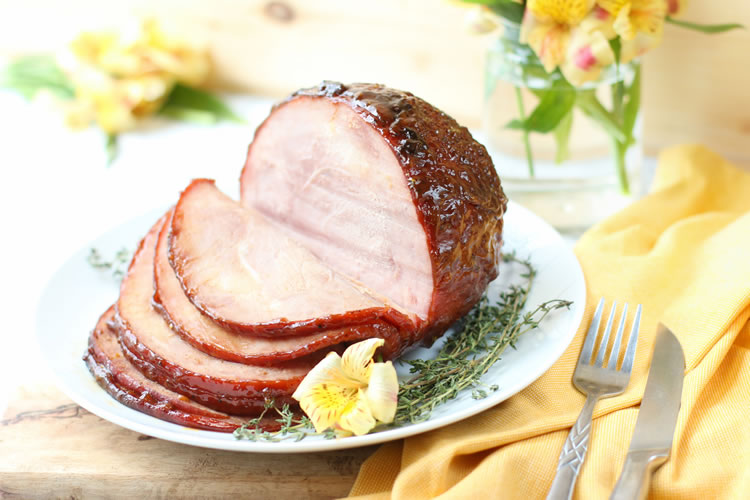
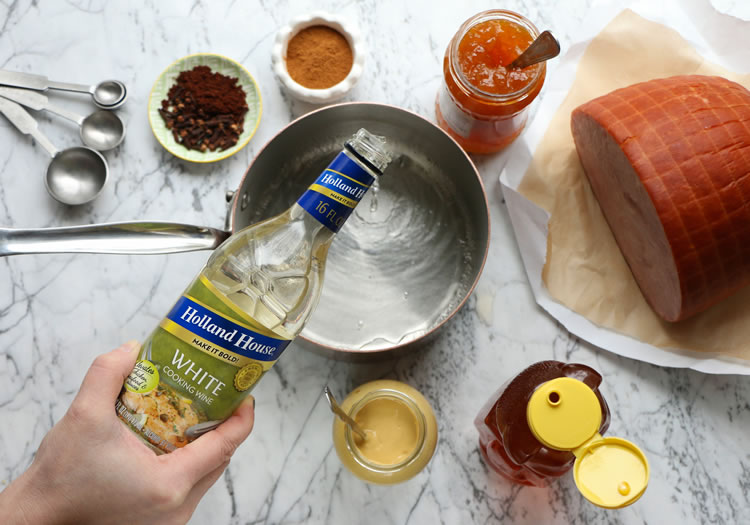
    • Easter brunch alongside the main course glazed ham for a complete celebration spread

    🧁 The Four Components You Need

    Think of this as an Easter baking project with four distinct parts. Each one is simple, and most can be prepared the night before so assembly day is stress-free.

    🐾 1. The Bunny Feet Cookies — small oval no-sugar sugar cookies dipped in white chocolate with pink bunny toe details piped on top
    🐰 2. The Bunny Tails — mini marshmallows rolled in white nonpareil sprinkles or shredded coconut for a fluffy, realistic look

    🧁 3. The Low-Sugar Cupcakes — golden yellow cupcakes made with SPLENDA, tender and buttery with just a fraction of the sugar

    🌿 4. The Buttercream — green grass icing piped around the edges and white icing in the center to form the bunny body

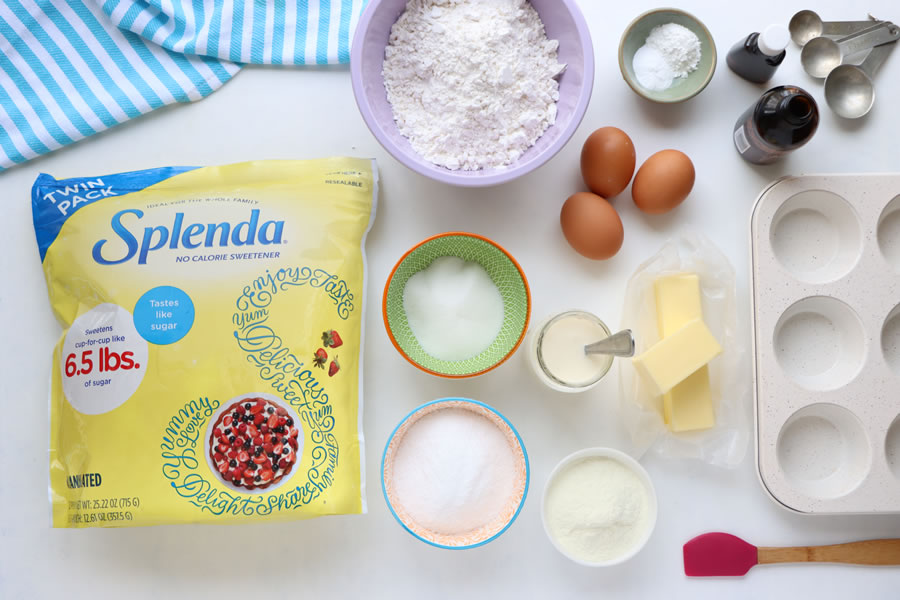
    Kitchen counter prep scene for low-sugar bunny butt Easter cupcakes with mixing bowls, electric mixer, and baking ingredients including SPLENDA sweetener
    Kitchen counter prep scene for low-sugar bunny butt Easter cupcakes with mixing bowls, electric mixer, and baking ingredients including SPLENDA sweetener Get everything measured and set up before you start. Most of the components can be made the night before so Easter day assembly is quick and easy.

    🐾 Step 1: Make the Bunny Feet Cookies

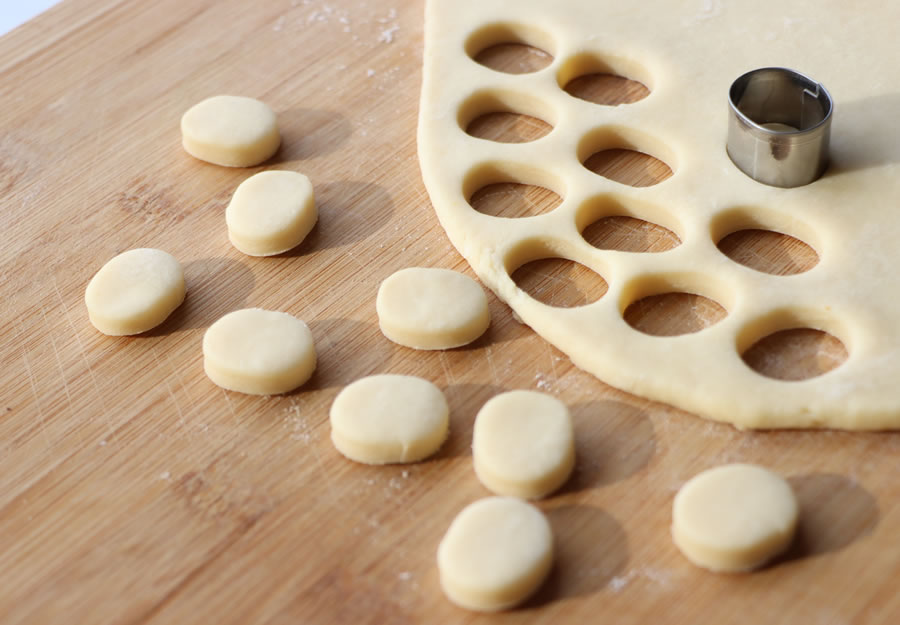
    The bunny feet are made from our no-sugar sugar cookie recipe, cut into small oval shapes using a 1 1/4 inch oval cookie cutter. These can absolutely be made the night before and stored in an airtight container once the chocolate has fully set.

    1. Bake the no-sugar sugar cookie dough rolled to about 1/8 inch thick. Cut with a small oval cutter and bake 10 to 12 minutes. Keep them pale and blonde with no browning. Cool completely before dipping.

    2. Melt white chocolate in the microwave in 30 second intervals, stirring well between each. Thin with a small amount of coconut oil for a smooth dipping consistency. Dip each cookie and transfer to a parchment-lined tray. Focus on getting the top side smooth since the back will not be visible. Allow to harden fully.

    3. For the pink toe details, melt a small amount of white chocolate and mix in a few drops of pink food coloring until no streaks remain. Transfer to a squeeze bottle or piping bag with a small round tip. Pipe 3 or 4 dots for toes and a small heart shape for the main pad on each cookie.

    4. Allow the pink details to dry completely before assembling. You will need 36 feet total for 18 cupcakes.

    🍫 Chocolate Tip:

    Candy melts are a great alternative to white chocolate and come in many colors, so you can get creative with the bunny feet design. For brown bunnies use milk or dark chocolate instead. Find candy melts at craft stores, baking supply shops, or online.

    Pale blonde oval no-sugar sugar cookies cut out and arranged on a parchment-lined baking sheet ready to be dipped in white chocolate for Easter bunny cupcake feet
    Pale blonde oval no-sugar sugar cookies cut out and arranged on a parchment-lined baking sheet ready to be dipped in white chocolate for Easter bunny cupcake feet Keep the bunny feet cookies pale and blonde with no browning. Any color will show through the white chocolate dip and affect the finished look.

    🐰 Step 2: Make the Bunny Tails

    The tails are the easiest part and genuinely one of the most charming details on the finished cupcake. Cut mini marshmallows in half crosswise. Using a toothpick dipped in warm water, roll the sticky cut side of each marshmallow half into a small bowl of white nonpareil sprinkles. Lay flat on parchment paper to dry.

    🐇 Fluffy Tail Variation:

    For an extra fluffy, realistic bunny tail, dip the marshmallow halves in melted white chocolate first, then roll in shredded coconut before it sets. The coconut gives a beautifully textured fur effect that looks incredible against the green grass icing.

    Flat lay of Easter bunny butt cupcake decorating ingredients including mini marshmallows, white nonpareil sprinkles, melted white chocolate in a bowl, and pink food coloring on a light surface
    Flat lay of Easter bunny butt cupcake decorating ingredients including mini marshmallows, white nonpareil sprinkles, melted white chocolate in a bowl, and pink food coloring on a light surface Everything you need for the tails and toe details: mini marshmallows, white nonpareil sprinkles, melted white chocolate, and pink food coloring. Simple ingredients, big impact.

    🧁 Step 3: Bake the Low-Sugar Yellow Cupcakes

    This golden yellow cupcake base is tender, buttery, and completely convincing as a full-sugar cupcake. The secret is using a combination of SPLENDA Granulated Sweetener and just a small amount of real sugar, which gives you the flavor and browning of sugar with a fraction of the carbohydrates. Recipe adapted from Splenda.com.

    💡 Why SPLENDA Works So Well Here:

    Swapping regular sugar for SPLENDA Granulated Sweetener saves 678 calories per cup in baked goods. It measures cup for cup like sugar, stays sweet at high baking temperatures, and produces a genuinely tender, golden crumb. The small amount of real sugar kept in the recipe helps with browning and moisture without significantly impacting the carb count.

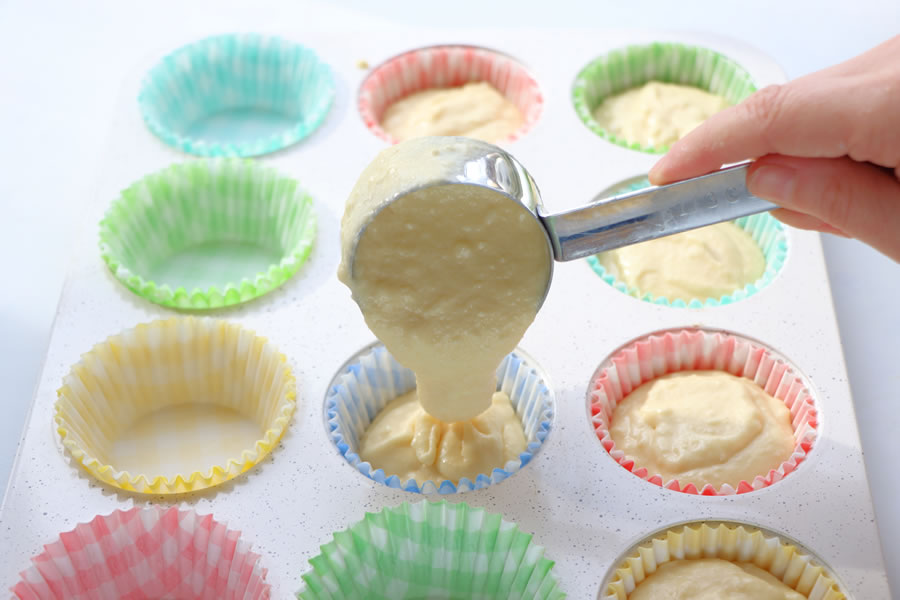
    Low-sugar yellow cupcake batter being scooped into paper-lined muffin tins on a kitchen counter, ready to go into the oven
    Low-sugar yellow cupcake batter being scooped into paper-lined muffin tins on a kitchen counter, ready to go into the oven Divide the batter evenly across all 18 cups. These bake in just 12 to 15 minutes. A toothpick inserted in the center should come out clean when they are done.

    🌿 Step 4: Pipe the Grass and Bunny Body

    This is the most fun part of the whole Easter baking project. You will need two piping bags, a grass decorating tip for the green icing (Wilton 233, 234, or 29 all work beautifully), and a wide round tip or simply a snipped bag for the white bunny body.

    Piping the green grass: Tint half your buttercream with green food coloring and transfer to a piping bag fitted with a grass tip. Pipe around the outer edge of the cupcake, leaving the center third empty. That open space is where the bunny body will sit. Hold the bag straight up for neat upright grass, or tilt slightly for a shaggier, more natural look. Both are adorable. For tiny spring flowers, scatter a few colorful sprinkles into the wet grass icing immediately after piping.

    Piping the bunny body: Fill a second piping bag with white buttercream, snipping off about 1/2 inch at the tip, or use a wide round decorating tip. Pipe a rounded mound in the empty center of the cupcake to form the bunny body. This does not need to be perfect since the feet and tail will draw the eye.

    🌸 First Time Using a Grass Tip?

    Practice a few strokes on parchment paper before piping onto the actual cupcakes. Apply pressure to release the icing, pipe about 1/4 inch, then release pressure just before pulling away. The key is releasing pressure before you lift, which creates clean individual grass blades instead of a smear. After a few tries it becomes very natural.

    Easter bunny butt cupcake in progress showing green buttercream grass piped around the outer ring and a mound of white icing in the center forming the bunny body, on a marble surface
    Easter bunny butt cupcake in progress showing green buttercream grass piped around the outer ring and a mound of white icing in the center forming the bunny body, on a marble surface Pipe the green grass around the outer ring first, then add the white rounded mound in the center for the bunny body. Leave that center space clear when piping the grass or things get crowded quickly.

    🐰 Step 5: Assemble the Bunny Butts

    This is the moment everything comes together. Press two bunny feet cookies upside down into the white icing body, angling them slightly outward the way a bunny’s feet would look mid-hop. Gently press one marshmallow tail into the top of the white icing mound. That is it. Step back and admire your work.

    🐣 Assembly Tips for the Best Results:

    • Make sure the bunny feet cookies are fully set and dry before pressing into the icing or they may slide
    • Insert the feet at a slight outward angle for the most realistic mid-hop effect
    • A toothpick makes it easy to nudge small details into position without disturbing the surrounding icing
    • If making ahead, add the tails and feet no more than a few hours before serving so the cookies stay crisp
    • For a brown bunny version, swap the white icing body for chocolate buttercream and use milk chocolate dipped feet

    Three fully assembled low-sugar Easter bunny butt cupcakes on a surface scattered with colorful sprinkles, showing white chocolate cookie feet angled outward and round marshmallow tails pressed into white buttercream
    Three fully assembled low-sugar Easter bunny butt cupcakes on a surface scattered with colorful sprinkles, showing white chocolate cookie feet angled outward and round marshmallow tails pressed into white buttercream Angle the feet slightly outward for that perfect mid-hop look. Press the marshmallow tail firmly into the white icing so it holds through serving and transport.

    🐰🧁🐰

    The Complete Recipe: Low-Sugar Bunny Butt Cupcakes

    Cupcakes + Buttercream + Cookie Feet + Bunny Tails + Assembly

    Everything you need in one place. Print this card and you are set for Easter baking day.

    🐣 Prep
    1 hr 30 min
    🔥 Bake
    25 min
    ⏱ Total
    ~4 hours
    🧁 Yield
    18 cupcakes
    🥕 Carbs
    20g each

    Three finished low-sugar Easter bunny butt cupcakes with green buttercream grass, white chocolate cookie bunny feet, and marshmallow tails on colorful sprinklesThree finished low-sugar Easter bunny butt cupcakes with green buttercream grass, white chocolate cookie bunny feet, and marshmallow tails on colorful sprinkles

    🛒 Ingredients

    🧁 Low-Sugar Golden Yellow Cupcakes

    • 2 1/4 cups cake flour
    • 3/4 cup SPLENDA Granulated Sweetener
    • 1/4 cup granulated sugar
    • 3/4 cup unsalted butter, softened
    • 1/2 cup nonfat dry milk powder
    • 2 teaspoons baking powder
    • 3/4 teaspoon baking soda
    • 1/4 teaspoon salt
    • 3/4 cup lowfat buttermilk
    • 3 large eggs
    • 2 teaspoons vanilla extract
    • 1/2 teaspoon almond extract

    🐾 Bunny Feet Cookies

    🐰 Bunny Tails

    • 9 mini marshmallows (halved to make 18 tails)
    • White nonpareil sprinkles (or shredded coconut)

    🌿 Vanilla Buttercream Icing

    • 1 cup (2 sticks) unsalted butter, softened
    • 3 to 4 cups powdered sugar (or sugar-free powdered sweetener)
    • 2 tablespoons heavy cream or whole milk
    • 2 teaspoons vanilla extract
    • 1/4 teaspoon salt
    • Green gel food coloring
    • Colorful sprinkles for flower detail (optional)

    📋 Instructions

    🐾 Part 1: Make the Bunny Feet Cookies

    Can be made up to 2 days ahead

    1. Prepare the no-sugar sugar cookie dough and roll out to about 1/8 inch thick. Cut with a small oval cookie cutter (1 1/4 inch) and bake at 350°F for 10 to 12 minutes. Keep them pale and blonde — no browning. Cool completely before dipping.

    2. Melt white chocolate in the microwave in 30 second intervals, stirring well between each. Thin with a small amount of coconut oil for a smooth dipping consistency. Dip each cookie and transfer to a parchment-lined tray. Focus on getting the top side smooth since the back won’t be visible. Allow chocolate to harden completely.

    3. For the pink toe details, melt a small amount of white chocolate and mix in a few drops of pink food coloring until no streaks remain. Transfer to a squeeze bottle or piping bag with a small round tip. Pipe 3 or 4 dots for toes and a small heart shape for the main pad on each cookie.

    4. Allow the pink details to dry completely before assembling. You will need 36 feet total for 18 cupcakes.

    🐰 Part 2: Make the Bunny Tails

    Can be made the night before

    Cut 9 mini marshmallows in half crosswise to make 18 tails. Using a toothpick dipped in warm water, roll the sticky cut side of each marshmallow half into a small bowl of white nonpareil sprinkles. Lay flat on parchment paper to dry. Fluffy variation: Dip the marshmallow halves in melted white chocolate first, then roll in shredded coconut before it sets for a beautifully textured fur effect.

    🧁 Part 3: Bake the Low-Sugar Yellow Cupcakes

    Recipe courtesy of Splenda.com

    1. Preheat oven to 350°F. Line 18 muffin cups with paper baking cups.

    2. Using an electric mixer, beat the SPLENDA, sugar, and softened butter together on medium speed for about 2 minutes until light and fluffy.

    3. In a separate bowl, whisk together the cake flour, dry milk powder, baking powder, baking soda, and salt.

    4. In a third bowl, whisk together the buttermilk, eggs, vanilla extract, and almond extract.

    5. Add about 1/3 of the flour mixture to the butter mixture and blend on low. Add half the buttermilk mixture and mix to combine. Add another 1/3 of the flour mixture and blend. Add the remaining buttermilk mixture, blend, then add the remaining flour. Beat on medium-high for about 30 seconds until smooth and light.

    6. Divide the batter evenly among the 18 prepared cups. Bake for 12 to 15 minutes or until a toothpick inserted in the center comes out clean. Cool completely before decorating.

    🌿 Part 4: Make the Buttercream Icing

    1. Beat 1 cup (2 sticks) softened butter in a stand mixer with a paddle attachment on medium speed for 2 to 3 minutes until pale and creamy.

    2. Add 3 cups powdered sugar, the heavy cream, vanilla extract, and salt. Mix on low until combined, then increase to medium-high and beat for 2 to 3 minutes until light and fluffy. Add more powdered sugar as needed until the icing holds its shape when piped.

    3. Divide the buttercream roughly in half. Tint one half with green gel food coloring, mixing until even with no streaks. Leave the other half white.

    🎨 Part 5: Decorate and Assemble the Bunny Butts
    1. Pipe the grass: Transfer the green buttercream to a piping bag fitted with a grass tip (Wilton 233, 234, or 29). Pipe grass around the outer edge of each cupcake, leaving the center third empty for the bunny body. Apply pressure to release the icing, pipe about 1/4 inch, then release pressure just before pulling away. Hold the bag straight up for neat upright grass or tilt slightly for a shaggier natural look. For tiny spring flowers, scatter a few colorful sprinkles into the wet grass immediately after piping.

    2. Pipe the bunny body: Fill a second piping bag with white buttercream, snipping off about 1/2 inch at the tip or using a wide round decorating tip. Pipe a rounded mound into the empty center of each cupcake to form the bunny body.

    3. Add the feet and tail: Press two bunny feet cookies upside down into the white icing body on each cupcake, angling them slightly outward for a mid-hop look. Gently press one marshmallow tail into the top of the white icing mound. Serve within a few hours of assembly for the crispest cookies.

    💡 Recipe Notes

    • Make-ahead plan: The bunny feet cookies and tails can be made up to 2 days ahead. The cupcakes can be baked the day before and stored unfrosted. The buttercream can be made a day ahead and refrigerated — bring to room temperature and rewhip before piping. Assemble on the day of serving.
    • Lower-sugar buttercream: For a fully low-sugar version, make your own powdered sweetener by blending SPLENDA Granulated in a high-speed blender with 1 1/2 tablespoons cornstarch per cup until fine and powdery.
    • Brown bunny variation: Swap the white buttercream body for chocolate buttercream and use milk or dark chocolate dipped bunny feet.
    • Box mix shortcut: A standard yellow or vanilla box mix works here too. Substitute SPLENDA for up to half the sugar called for in most box mixes.
    • No grass tip? A star tip pressed in short bursts creates a similar textured effect. A fork can also pull and texture green icing across the cupcake surface.
    • Storage: Store assembled cupcakes in a single layer in a covered container at room temperature for up to 2 days. For transport, use a cupcake carrier with individual slots.

    🥕 Nutrition per Decorated Cupcake (estimated)

    360Calories
    20gCarbs
    20gFat
    4gProtein
    11gSugar
    170mgSodium

    Nutrition is estimated and includes cupcake, buttercream, and cookie feet. Values will be lower if using sugar-free powdered sweetener in the buttercream.

    🐰 Recipe by Heather · Better Living · Cupcake recipe adapted from Splenda.com

    Full batch of 18 finished low-sugar Easter bunny butt cupcakes made with SPLENDA arranged on a tray and ready to serve, each topped with white chocolate cookie bunny feet and a marshmallow tail
    Full batch of 18 finished low-sugar Easter bunny butt cupcakes made with SPLENDA arranged on a tray and ready to serve, each topped with white chocolate cookie bunny feet and a marshmallow tail The full batch ready to serve. At just 20 grams of carbs each, you can absolutely justify eating two.

    ❓ Frequently Asked Questions

    Can I make these bunny butt cupcakes ahead of time?

    Yes, and we actually recommend it. The bunny feet cookies and tails can be made up to 2 days ahead and stored in airtight containers at room temperature. The cupcakes can be baked the day before and stored unfrosted. Pipe the icing and assemble on the day of serving for the freshest appearance and crispest cookies.

    Can I use a box mix instead of making the cupcakes from scratch?

    Absolutely. A standard yellow or vanilla box mix works fine here. You can substitute SPLENDA for up to half the sugar called for in most box mixes without significantly affecting texture. The scratch recipe above will give you a slightly more tender, bakery-style crumb but the box mix version is a perfectly good shortcut when time is short.

    What if I cannot find a grass piping tip?

    A star tip pressed in short bursts creates a similar textured effect. Alternatively, use a fork to pull and texture green icing spread across the cupcake surface. It will not look exactly like grass but gives a lovely spring meadow effect. The Wilton 233 grass tip is widely available at craft stores and online for just a few dollars and is worth having for future Easter baking projects.

    How do I store finished bunny butt cupcakes?

    Store assembled cupcakes in a single layer in a covered container at room temperature for up to 2 days. Refrigerating is not ideal as the cookies can soften in the humidity. If you need to transport them, a cupcake carrier with individual slots prevents the feet from being knocked loose in transit.

    Can I make these gluten-free?

    Yes. Substitute a 1:1 gluten-free flour blend for the cake flour in both the cupcakes and the bunny feet cookies. The texture will be slightly more delicate so handle the dough gently. Bob’s Red Mill and King Arthur both make reliable gluten-free 1:1 blends that work well in this application.

    🐣 Complete Your Easter Menu

    These cupcakes pair beautifully with a full Easter spread. Here are more Easter recipes and ideas from Better Living:

    Peach and White Wine Glazed Ham — the ultimate Easter dinner centerpiece

    No-Sugar Easter Sugar Cookies — the cookie base for the bunny feet and a great standalone Easter treat

    Luscious Lemon Tart — a bright, elegant spring dessert for the grown-ups

    Crustless Veggie Quiche — perfect for Easter brunch before the main event

    DIY Easter Eggs with Silk Ties — a gorgeous Easter activity to do while the cupcakes cool

    Lavender Shortbread Cookies — another elegant spring baking project worth bookmarking

    🌸 Easter Baking at Its Most Joyful

    These low-sugar bunny butt cupcakes prove that the best Easter dessert ideas are the ones that make people smile before they even take a bite. They are a little whimsical, a little impressive, and completely achievable for any home baker. The low-sugar swap is seamless, the components are genuinely fun to make, and the finished cupcakes are the kind of Easter treat that gets remembered year after year.

    Whether you are making these for a crowd at Easter brunch or as a fun afternoon project with the kids, they deliver every time. Get the bunny feet and tails made the night before and the whole thing comes together in well under an hour on the day.

    Made these bunny butt cupcakes? We would love to see them! Leave a comment below and let us know how yours turned out. 🐰

    The post Bunny Butt Easter Cupcakes (Low-Sugar) | Only 20 Carbs! appeared first on Better Living.

  • Peaches, Honey, & Wine Glazed Ham

    Peaches, Honey, & Wine Glazed Ham

    Sponsored Post: This post is sponsored by Holland House Cooking Wines. Holland House Cooking Wines are a great way to take your dishes to the next level. All opinions, recipes, and content are our own.

    The Ultimate Easter Ham Glaze

    Nothing makes an Easter dinner idea feel more complete than a beautiful, golden ham at the center of the table. Sweet peaches, fragrant honey, warm spices, and a generous splash of white cooking wine come together in a glaze that caramelizes into the most incredible lacquered crust. It is a fun twist on the classic pineapple ham pairing, and once you try it, you may never go back.

    The subtle fruitiness of the peach preserves plays off the salty, savory ham in the most satisfying way. Fresh thyme adds an herbal, almost floral note that makes this glaze feel genuinely elegant with very little effort. Best of all, you can make it ahead, which makes this one of the most practical make-ahead Easter recipes in our collection.

    What makes this glazed ham recipe special: The recipe works on any style of fully cooked ham, the glaze comes together in one saucepan, and the results look and taste like something from a high-end holiday spread. The white cooking wine keeps the sweetness balanced while creating incredible basting juices as the ham roasts.

    Quick Stats: 10 min prep | Approx. 2 hr cook time | Serves 20 | Works on any fully cooked ham | Glaze can be made 3 days ahead
    Finished peach honey white wine glazed Easter ham on a serving platter, golden and caramelized, surrounded by fresh thymeFinished peach honey white wine glazed Easter ham on a serving platter, golden and caramelized, surrounded by fresh thyme
    The finished ham: golden, caramelized, and aromatic. A showstopper for any Easter dinner.

    Why This Glaze Works So Well

    The combination of peach preserves, honey, and Dijon mustard creates a glaze with three distinct flavor layers: fruity sweetness, floral depth, and a savory tang that keeps the whole thing from tipping into dessert territory. The Dijon is the quiet hero here. It emulsifies the glaze and adds a subtle sharpness that makes every bite more interesting.

    Holland House White Cooking Wine brings it all together. Its slightly dry, crisp character cuts through the sweetness without dulling it, and the wine in the bottom of the roasting pan creates a savory steam that keeps the ham incredibly moist throughout cooking. Stir those drippings back into any remaining glaze before serving and you have an instant table sauce that guests will ask about.

    Perfect Occasions for This Glazed Ham:

    • Easter Sunday as the centerpiece of an easy Easter dinner
    • Mother’s Day brunch served alongside eggs and fresh fruit
    • Spring entertaining and backyard gatherings
    • Christmas and New Year’s when you want something showstopping but manageable
    • Meal prep since leftovers keep for days and work in dozens of recipes
    Ingredients for peach honey white wine ham glaze laid out on a kitchen counter including peach preserves, honey, Dijon mustard, Holland House White Cooking Wine, and fresh thymeIngredients for peach honey white wine ham glaze laid out on a kitchen counter including peach preserves, honey, Dijon mustard, Holland House White Cooking Wine, and fresh thyme
    Everything you need for the glaze: peach preserves, honey, Dijon, cloves, cinnamon, fresh thyme, and Holland House White Cooking Wine.

    Which Type of Ham Should You Buy?

    This is the question that trips people up most at the grocery store. Here is a quick breakdown to make the decision easy.

    Bone-in ham delivers the richest, most traditional flavor. The bone conducts heat through the meat and adds body to the drippings. The leftover bone is fantastic for soups and stews. Carving at the table takes a little more effort but is part of the occasion.

    Boneless ham slices cleanly and looks stunning on a platter. Ideal if you want a picture-perfect presentation or need to serve a large group quickly.

    Spiral-cut ham is the easiest of all. It is precooked and pre-sliced in a continuous spiral around the bone, so it fans apart beautifully. The glaze gets into every single layer and serving is as simple as pulling slices away. This is our top pick for a stress-free Easter dinner.

    Important: Toss the Packet Glaze

    Most store-bought hams come fully cooked and often include a glaze packet. Throw it away. Making your own takes about 10 minutes and tastes infinitely better. A homemade glaze also locks in moisture in a way those sugary packets simply cannot match.

    How much ham to buy: Plan for about 1/4 lb of boneless ham per person, or 3/4 lb per person for a bone-in ham. When in doubt, buy a little extra. Leftover glazed ham makes incredible sandwiches, ham and egg chilaquiles, and adds incredible depth to a pot of tortilla soup. For storage guidance, see our full guide on how long you can keep ham in the fridge.

    Peach honey glaze simmering in a small saucepan with fresh thyme, thickening to a glossy consistencyPeach honey glaze simmering in a small saucepan with fresh thyme, thickening to a glossy consistency
    Simmer the glaze for a few minutes until glossy and slightly thickened. You are looking for a consistency that coats the back of a spoon.

    How to Make and Apply the Glaze

    The method here is as simple as it gets. Whisk all the glaze ingredients together in a small saucepan, bring to a boil, then drop the heat and simmer for 3 to 4 minutes. You are watching for it to thicken slightly and turn glossy. That is it.

    Step 1. Make the glaze. Whisk together the peach preserves, 1/4 cup of the cooking wine, honey, Dijon mustard, cloves, and cinnamon in a small saucepan. Add the thyme sprigs, bring to a boil, then reduce to a simmer for 3 to 4 minutes until slightly thickened. Remove from heat.

    Step 2. Prep the ham. Let the ham come to room temperature while the oven preheats to 325 degrees F. Place on a rack in a roasting pan and brush generously with glaze all over the surface. Pour the remaining 1/2 cup of cooking wine into the bottom of the pan.

    Step 3. Roast and baste. Tent loosely with foil and bake. Every 30 minutes, pull back the foil, baste with the pan drippings, and brush on more glaze. Re-tent after each basting. Add more cooking wine to the pan if the drippings get too low.

    Step 4. Check the temperature. The ham is done when a meat thermometer inserted into the thickest part reads 140 degrees F, approximately 1.5 to 2 hours. Let rest 15 minutes before carving, then stir the pan drippings into any remaining glaze to serve alongside.

    Pro Tips for the Best Results:

    • Let the ham sit at room temperature for 30 to 60 minutes before roasting for more even cooking
    • The layering process is what creates the gorgeous caramelized exterior. Do not skip the basting steps
    • If the glaze starts to darken too quickly toward the end, tent more loosely or lay a fresh sheet of foil on top
    • The glaze can be made up to 3 days ahead and refrigerated. Warm gently before using
    • Apricot preserves or mango jam make excellent substitutes for peach if that is what you have on hand
    Brushing peach honey wine glaze onto a fully cooked Easter ham in a roasting pan with fresh thymeBrushing peach honey wine glaze onto a fully cooked Easter ham in a roasting pan with fresh thyme
    Baste every 30 minutes for a deeply caramelized, lacquered crust with incredible flavor in every layer.

    Get the Recipe!

    Peaches, Honey And Wine Glazed Ham With Thyme

    Print

    Peaches, Honey & Wine Glazed Ham

    This easier than ever fruity ham glaze with a touch of white cooking wine, will give your ham that extra special kick to amaze your guests. This glaze will work for any style ham.
    Course Main Course
    Cuisine American
    Keyword Easter, Ham
    Prep Time 10 minutes
    Cook Time 2 hours
    Total Time 2 hours 10 minutes
    Servings 20 servings

    Ingredients

    • 1 8-10 pound fully-cooked whole ham
    • 1/2 cup peach preserves or jam
    • 3/4 cup Holland House White Cooking Wine, divided
    • 1/4 cup honey
    • 1/4 cup Dijon mustard
    • 1 teaspoon ground cloves
    • 1/2 teaspoon cinnamon
    • 3-4 sprigs fresh thyme (optional)

    Instructions

    • Remove ham from the refrigerator, place on a rack in a roasting pan and let stand until brought to room temperature. Preheat oven to 325 degrees.

      In a small saucepan whisk together the peach jam or preserves, 1/4 cup white cooking wine, Dijon mustard, ground cloves and cinnamon in a small saucepan. Add the fresh thyme and bring to boil and over medium-high heat. Once boiling, lower heat and simmer for 3 to for minutes or until glaze has thickened slightly. Remove from heat.

      Brush the glaze over the exterior of the ham. Add the remaining 1/2 cup of wine to the bottom of the pan and place in the oven to bake. 

      Tent with foil and baste about every 30 minutes, adding more glaze if needed until the ham is finished baking. You may also add more cooking wine to the bottom of the pan if you need more juices to baste with. The ham is done baking when it reaches 140° F (60 degrees C) when tested with a meat thermometer inserted into the thickest part of the meat.  Approximately 1 ½ to 2 hours.

      To serve, stir the ham drippings into any remaining glaze, removing visible fat and serve at the table with the sliced ham.

    Bottle of Holland House White Cooking Wine next to a golden glazed Easter ham ready for the tableBottle of Holland House White Cooking Wine next to a golden glazed Easter ham ready for the table
    Holland House White Cooking Wine adds a crisp, balanced note to the glaze and keeps the ham perfectly moist as it roasts.

    More Ways to Use Holland House White Cooking Wine This Spring

    Holland House White Cooking Wine has a slightly dry, crisp flavor that enhances rather than competes with whatever you are making. It is one of those pantry staples that earns its place year-round. A few of our favorite spring uses beyond this glaze:

    • A splash into soups and chowders to brighten the base
    • Deglazing a pan for quick cream sauces over chicken or fish
    • Replacing one third of the water when cooking rice for extra depth
    • Balancing the heat in spicy dishes without watering them down
    • Simmering shrimp or scallops for a light spring appetizer

    Holland House Cooking Wines come in White, White with Lemon, Marsala, Red, and Sherry. Find more recipes at hollandhouseflavors.com or follow them on Facebook and Pinterest.

    What to Serve with Easter Ham

    If you are building out your full Easter menu, this ham is incredibly versatile about what goes alongside it. It loves the company of starchy, creamy sides that can soak up those incredible pan drippings. Fresh, bright flavors also work beautifully to balance the richness of the glaze.

    Perfect Easter Table Pairings:

    • Scalloped potatoes to soak up the pan drippings
    • Roasted asparagus with lemon and olive oil
    • Fresh spring salad with strawberries and pecans
    • Dinner rolls for building leftover sandwiches later in the week
    • A bright lemon dessert to finish, like our luscious lemon tart
    • Easter cookies for dessert, like these no-sugar Easter sugar cookies if you are keeping things lighter

    What to Do with Leftover Ham

    Leftover peach-glazed ham is one of the best Easter bonuses. The sweet, caramelized crust makes it especially good in dishes where the ham needs to pull some flavor weight on its own. Try it in ham and egg chilaquiles for a weekend brunch, layer it into a croque monsieur for something fancy with almost no effort, stir diced ham into a crustless veggie quiche, or toss it into a pot of gumbo.

    Do Not Waste a Bite: Best Leftover Ham Recipes

    Leftover glazed ham is almost as exciting as the main event. Here are the recipes we reach for first:

    Ham and Egg Chilaquiles — the best possible Easter Monday breakfast

    Croque Monsieur — the most elegant thing you can do with leftover ham

    Crustless Veggie Quiche — add diced ham for incredible depth

    New Orleans Gumbo — the smoked, sweet ham flavor is transformative here

    How Long Can You Keep Ham in the Fridge? — food safety guide

    Frequently Asked Questions About Glazed Ham

    Can I use fresh peaches instead of preserves?

    Preserves work much better here because they have the concentrated sweetness and pectin needed to create a glaze with the right consistency. Fresh peaches have too much water content and the glaze will not thicken properly or adhere to the ham. If peach is not available, apricot or mango preserves are excellent substitutes.

    What if I cannot find Holland House White Cooking Wine?

    A dry white wine or a light chicken broth can work in a pinch, though the flavor profile will be slightly different. Cooking wines are specifically formulated for flavor stability in heat, so they are the best choice for this application.

    My glaze is burning before the ham is done. What do I do?

    This usually means your oven is running a little hot or the ham is on a rack too close to the top element. Tent more securely with foil and lower the oven temperature by 25 degrees. You can also hold off on the final glaze application until the last 30 minutes of cooking.

    Can I make this glaze ahead of time?

    Absolutely. The glaze keeps in the refrigerator in an airtight container for up to 3 days. Warm it gently in a saucepan before using as it will thicken considerably when chilled. This makes it one of the most practical make-ahead Easter recipes you can add to your holiday prep.

    How long can I keep leftover ham in the fridge?

    Properly stored in an airtight container, leftover cooked ham will keep for 3 to 5 days in the refrigerator. For longer storage, it freezes well for up to 2 months. See our full post on how long you can keep ham in the fridge for complete food safety guidance.

    Can I make this glaze without Dijon mustard?

    The Dijon does a lot of quiet work here, so we recommend keeping it in if you can. It adds a subtle savory sharpness that prevents the glaze from tasting one-dimensionally sweet. If you truly cannot use it, a small spoonful of whole grain mustard or even a teaspoon of apple cider vinegar will help maintain that balance.

    Complete Your Easter Menu

    Looking for easy Easter dinner ideas to round out the table? Try these recipes from Better Living:

    Bourbon Baked Ham — another glazed ham variation worth bookmarking

    Spinach Artichoke Dip — a crowd-pleasing starter while the ham roasts

    Crustless Veggie Quiche — perfect for Easter brunch

    No-Sugar Easter Sugar Cookies — a fun and lighter Easter dessert

    Low-Sugar Bunny Butt Cupcakes — the kids will go absolutely wild for these

    Luscious Lemon Tart — a bright, elegant spring dessert

    Orange Cinnamon Cranberry Sauce — wonderful alongside ham

    DIY Easter Eggs with Silk Ties — a gorgeous Easter activity while the ham is in the oven

    A Glazed Ham Worth Every Minute

    This peach, honey, and wine glazed ham proves that the most impressive Easter dinner ideas do not have to be complicated. With 10 minutes of active prep and a simple basting routine, you get a ham that looks like you spent all day on it. The glaze is fruity, warm, and perfectly balanced. The ham stays incredibly moist. And the leftovers keep the good eating going all week.

    The key to success? Use real peach preserves, do not skip the Dijon, and baste faithfully every 30 minutes. Do those three things and you will have a glazed ham that earns a permanent spot in your holiday rotation.

    Made this glazed ham? We would love to hear how it turned out! Leave a comment below and let us know if you tried any variations on the glaze.

    The post Peaches, Honey, & Wine Glazed Ham appeared first on Better Living.