We always called my Nannie and Pawpaw’s place “the farm.” They had acreage and a house with a detached shop that kept their tractor. They never had animals beyond a outdoor dog, but my Nannie was an amazing gardener, growing the best spinach you’ve ever eaten in your life, juicy tomatoes, and other wonders I’m sure if I could remember back a little further.
So it feels a little weird referring to my own home as a farm, but I like the sound of it and I do have chickens, so what exactly are the qualifiers to call one’s home a farm? A goat or a donkey you say? Ok, well, if you say so…. In my dreams. We aren’t actually permitted to have one of those but if I find one that resembles a dog well enough, all bets are off.
I’ll file these home/farm updates under the HOME category where I put all the posts relating to building, decor, garden, etc (for the few people beyond myself that might go searching for a particular topic). So let’s hop to!
Life with the Chickens
Let’s dive in with the chicken drama. To start, Earl has hit puberty. Our lone remaining rooster who we cuddled and snuggled from birth has a bit on an attitude now that he has hormones rushing through him.
I did my research and learned not to run away, not to physically manhandle him, but to assert my dominance in his space until he learned to give way. I came out fully decked out for our first face off and have gotten a bit more relaxed with it since then. He does seem to respect me more now and isn’t flying at my legs nearly as often, but I don’t love the idea of having a feisty rooster around with kids so I’m really hoping he starts to chill out a bit.
.
On one hand, I have to respect that he’s doing his job well. He watches after the ladies, keeps them rounded up, and alerts them when he’s found something good to eat. He doesn’t go out looking for a fight but definitely doesn’t like anyone or anything to get close to his ladies. But I don’t love that the kids are now scared to go in with the chickens.
In other news, one of our Copper Maran girls, Bellatrix, got our farm’s first booty bath. She had dried excrement stuck on her super fluffy booty feathers. We filled up a bin with warm water and had to soak her back end in it while I “shampooed” (with a gentle soap) the feathers until she was all clean. This took about 20 minutes. Then we gave me booty a blow dry so she wouldn’t catch a chill.
Non chicken owners are probably cringing at this. This chicken owner is, too, believe me. I couldn’t get in the shower fast enough.
.
The last nugget of chicken drama is that I caught them trying to roost on the wooden ladder toy in the run. I had to teach them to go back in the coop where it’s safest and temperature is best controlled, so I’ve been going out every late afternoon and knocking over their wooden play structure. Since chickens naturally want to roost in the highest place they can find, they’ve been heading back into the coop in the evenings on their own now.
But despite the drama, I love having chickens. I love learning about them, caring for them (usually), and I love the rainbow of eggs they provide us with daily. We have eggs coming out our ears, usually a full 6-8 per day, which means everyone is laying!
In the Garden
Oh this week’s sunshine and 70’s sure had me thinking about plants! Currently in my garden I have cilantro and thyme that have just done their own thing and are thriving. I have carrots I haphazardly planted a few months back. Finley LOVES them and the chickens love the green tops. They are only a few inches long but they’ve been fun. I also have garlic starting to pop up, which is helpful for me to remember exactly where I had planted it.
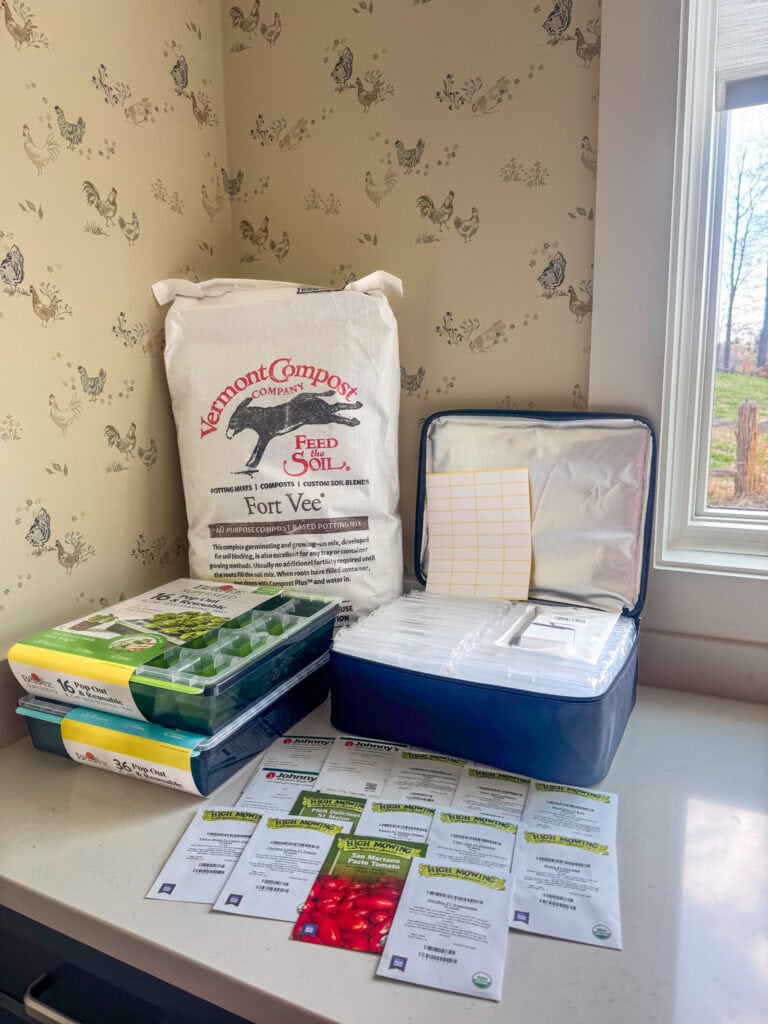
The big news is that my seeds came in! Am I late to start growing from seed? Maybe. But I’m a very type B gardener and am excited to get them started this weekend.
I planted (ahem, I placed and David actually planted) three new blueberry bushes this week. I also want to get another plum tree and maybe a fig tree, too.
.
For the main garden, I need to get some fresh soil or compost (research is yet to be done) and till it all up (best tool ever for easy tilling). I’ll be doing that over the next few weeks and then it will be getting close to garden planting season- ahhh!
Outdoor Projects
In outdoor project updates, the shed is built! It still needs a few finishing touches, like epoxy floor and filling in some spaces to ensure birds don’t get in, but for now it’s functional and so nice to have the storage space.
The sauna is really coming along. David has done an incredible job at building the outer “box,” installing the oiled pine siding, and laying the floors. He is waiting on the company to send him the interior wood cuts to finish it all out, which hopefully will be soon. Our traditional sauna should be up and running just in time for summer! (ha ;))
.
Fencing. My new fixation is a fence for our chickens. Right now I’m letting them out to free range for just 1-2 hours at the end of the day. I’d like to let them out more but I worry about predators and them running into neighboring yards (most neighbors don’t mind, but still). I got a quote for a fence for an area for them to forage within boundaries with some tree coverage for hopefully increased protection. Now if I could just get David’s work schedule to chill out a bit so we’d have time to discuss it!
That about sums up the “farm” projects. Now I just need to come up with a fun name for our chickens so I can create a sticker or stamp for the cartons. Hmm… any ideas?
I hope you have a wonderful weekend and that the sun shines brightly for you!
I’ve ordered a lot from Quince over the past few years. Dresses, cashmere, shoes, swimsuits, leather bags, baby items, and activewear. At this point, I feel very qualified to give an honest Quince clothing review.
Quince is an online retailer that sells high-quality clothing, shoes, and accessories at surprisingly low prices. Their mission is to create quality products sustainably and cut out the middleman by selling directly to consumers using a factory-direct model.
I’ve tried a lot. Some pieces are incredible. Some are just okay. A few were definite misses.
Quick Answer: Is Quince Worth It?
After 2+ years of buying, I’ll be honest: I have mixed feelings.
Quince is not a slow-fashion brand built to last a decade. But it is solidly better than Target or Amazon, and the value in certain categories is genuinely hard to beat. The catch? Quality is hit or miss depending on the category.
The sweet spot: If your budget or lifestyle does not allow for $200 jeans or $250 sweaters from brands like Frank & Eileen (hello, young kids!), Quince is a great option. If you like owning something for a few years and then replacing it, rather than investing in forever pieces, you will likely love it.
Is Quince legit? Yes, absolutely. It’s a real brand with genuinely good quality in several categories. Just go in knowing it is not luxury-tier, and some categories are better than others.
Quince Clothing Review: Everything I’ve Tried
Everything below is organized by category with a YES, MAYBE, or NO verdict and my size listed for each item.
The fit is unbelievable. These remind me of my Madewell jeans in fit and quality, and those cost $100+. Nice stretch, great in the booty. One note: they stretch out after one to two wears, so plan to wash and dry them every few wears. The wash and fit range is not quite as varied as designer denim, but for the price, these are outstanding. I am truly obsessed.
A bestseller for good reason, and I wear these all the time. Like the kick flares, they do stretch out, so you may want to consider sizing down. A great everyday wide-leg option at a very hard-to-argue-with price.
Turn on your JavaScript to view content
Cashmere
A quick note on Quince cashmere overall: impressive for the price, but compared to higher-end cashmere I own, it feels slightly lighter and less substantial. Think excellent everyday cashmere, not a forever investment piece.
Soft, lightweight, and layers beautifully. I used to spend $100+ on cashmere that looks and feels nearly identical. None of mine have pilled or gotten holes with regular wear. A great layering piece year-round. You can find my other favorite cashmere sweaters here.
A 10/10. True to size, not itchy at all. The lightweight feel works well from spring through early fall. One of those sweaters that looks elevated but still feels easy.
I had been searching for a cardigan like this for a while. Buttons without gapping. It works layered over a tee, worn over the shoulders, or even with dresses. The color works year-round, which I love.
Shockingly flattering for the price. Easy to layer with a denim jacket or light cardigan in spring, or wear on its own as it warms up into summer. Pairs great with loafers or sneakers.
The quality of this dress is very similar to the Ellie Hill House Home dress, but more affordable. (You can read my Hill House dress review here.) Fit is great on top, but I noticed pulling near the hips and had to exchange for a larger size. No pockets, which is a miss. Read the size notes carefully before ordering.
Give me anything polo and I love it, this was no exception. It has a bit of stretch, so it drapes nicely and does not feel fussy. There is no gapping, and it lays really well. It is a definite keeper.
I snagged this sweater because I wanted something that could be worn on its own or layered. It’s a yes for me because it gives you a longer shelf life into spring and summer.
This shirt has a slightly lived-in look, which makes it feel less precious than a crisp white shirt. I wear it with jeans, layered over a tank, or even as a pool cover-up. I love pieces that are so versatile, and this one definitely meets the mark.
This is a solid classic and depending on your body type it might be great for you. For me, it runs slightly long; I wish it came in petite sizing! (Remember I’m only 5’1″, so someone taller might really find this as a win.)
The lightweight linen fabric makes them work perfectly in the transitional season months. Pairs great with a t-shirt and sandals for spring, or a chunky sweater moving into colder months.
These fit well everywhere except the waist, which was just slightly too tight. If you have a smaller waist, you may love them. Otherwise, sizing up might help, though it could make them larger elsewhere.
I experienced the same sizing issue with the pants as I did the shorts. Slightly snug in the waist and a little tight through the hips. I would recommend sizing up one size.
This bag completely exceeded my expectations! The leather feels high-end, the zippers are sturdy, and the structure holds up well. If you’re looking for an affordable luxury handbag, this is a solid choice.
The leggings have strong compression but still feel buttery soft, and I was very impressed with the quality. They feel more supportive than some of my Amazon pairs. I stopped buying Lululemon because the quality no longer felt worth the price to me, and these feel like a strong alternative.
The Italian leather feels premium and they look great. Same sizing note: size down if between sizes. Better fit experience than the clogs, but still not a slam dunk.
They look well made and are nicer than the Amazon version of the Birkenstock dupes I tried, but I did not find them comfortable. The sizing was off and the fit just did not work for me. Would not repurchase.
Turn on your JavaScript to view content
Swimwear
Swimwear is one of the trickier categories at Quince. The compression is lighter than I prefer, and sizing varies quite a bit between styles. A couple of wins, but several misses.
This suit ran extremely small compared to the others. I could barely get it on in the same size! Pass for me. Although this is a budget option I think the Left On Friday Peak Suit is well worth the price and a much better fit. You can see my Left on Friday review here.
This is my absolute favorite sleep sack for the boys. It’s softer and cozier than others I’ve tried, and it holds up better in the wash than Kyte sleep sacks. Highly recommend!
So soft and adorable, but they run small and showed wear quickly. I bought them when my baby was 12 months old and the 12-18 month size did not fit. Size up, or skip altogether.(These are my favorite brands for toddler boy clothes!)
These were a ‘no’ for me since they felt a little rough. I ended up returning them and sticking with my go-to Solly sheets.
Turn on your JavaScript to view content
Turn on your JavaScript to view content
FAQs
What Is Quince Clothing?
Quince (also known as One Quince; their Instagram is @onequince) is a direct-to-consumer brand selling elevated basics at accessible prices using a factory-direct model. They carry cashmere, Italian leather, organic cotton, silk, and more.
Is Quince Legit?
Yes. Quince is a real, legitimate brand with genuinely good quality in several categories. It is not hype. Just go in knowing it is not luxury-tier, and some categories are stronger than others.
Is Quince Fast Fashion?
No. Quince uses quality materials like Mongolian cashmere, Italian leather, and organic cotton through a factory-direct model. It is not built for decade-long wear, but it sits well above fast fashion. Think smart middle ground.
Is Quince Good Quality?
The quality is what sold me on Quince. I don’t love shopping at places like Old Navy or Target super often since the quality doesn’t hold up as well as the pricier brands I own. Quince cashmere, denim, leather bags, and baby sleep essentials consistently impress me. Some tailored pieces and swimwear can be inconsistent, but overall the quality is strong for the price.
Does Quince Run True To Size?
Sizing varies by category. Cashmere, jeans and dresses run true to size for me. Trouser pants and shorts run small in the waist. Shoes run slightly large and activewear was inconsistent depending on the piece. For baby clothing, sizing up might be a good idea.
Return Policy
Quince has a hassle-free return policy, which makes trying out different sizes and styles easy. They offer free returns within 365 days, which is a huge plus.
Is Quince Worth It?
For wardrobe staples like cashmere, denim, and leather goods, absolutely. Just pay attention to fit notes in tailored pieces and swimwear.
Final Thoughts
Overall, Quince delivers on its promise of affordable luxury. The cashmere sweaters, jeans, leather bags, and baby sleep sacks are standout purchases. Some categories require more attention to fit, but when you choose wisely, the value is hard to beat.
If $200 jeans or $250 sweaters are not in the budget right now, Quince is a smart, stylish alternative. Just come armed with the sizing tips above and you will do great.
Timely nuggets of information and ideas we want to share with you.
These cookies have a huge following. I learned about them from a friend who was kind enough to share one of her Brown Butter Chunk Cookies. They are soft, chewy, and rich. The company has over 80 artisan flavors, using only premium ingredients. They are currently having a 2-for-1 sale for some of their flavors. $8.50 ($12.50 regularly) for 2 packs.
My mother the Grammar Cop constantly corrected me when I was growing up whenever I began a sentence with a conjunction. I recently read an article that said never beginning a sentence with a conjunction is not a rule. I was shaken to my core. Could the Grammar Cop have been wrong? If you don’t believe me, here is the actual quote used –
“Starting sentences with a conjunction is perfectly OK in a grammatical sense, and it may even improve your writing”. If you are curious and itching to start your sentences with a conjunction whenever you want, read the in-depth article here. The author does admit, however, that it’s usually best not to start a sentence with a conjunction, but allowable in certain circumstances.
I’m finding that over the past five years, tipping norms have been changing fast and furiously. I think COVID made all of us reevaluate our tipping to be fairer to those who braved the pandemic to deliver our groceries, pharmacy orders and take out deliveries. Since then, there has been “tipflation”!
Recent tipping studies done by Bankrate in 2024 show that Americans tip less than I would have expected. Here are two of the most common tipping situations:
Sit-down restaurants: Tipping experts say we should tip between 15% – 20%. Studies show that 60% of Americans tip 15% or less for an average meal, and only 25% of those surveyed report tipping 20% or more.
Take-out deliveries: According to Bankrate’s survey, only 50% of people who order food delivery directly through restaurants or through apps like DoorDash or Uber Eats, tip their driver. When I order take-out delivery, I’m so happy that I don’t have to cook, or go pick it up, that I always tip. Here is a bit of inside knowledge I read about recently. Delivery drivers can often choose the orders they deliver and can see on the receipt how much the customer has tipped. Guess which orders get chosen first?
Dan Pink is worried about what the years of using tech devices might have done to our attention spans, and he wants to help us fix the problem. “Life was not made to be lived in 15 second increments”. Watch this 4.5-minute video and you’ll love him as much as I do.
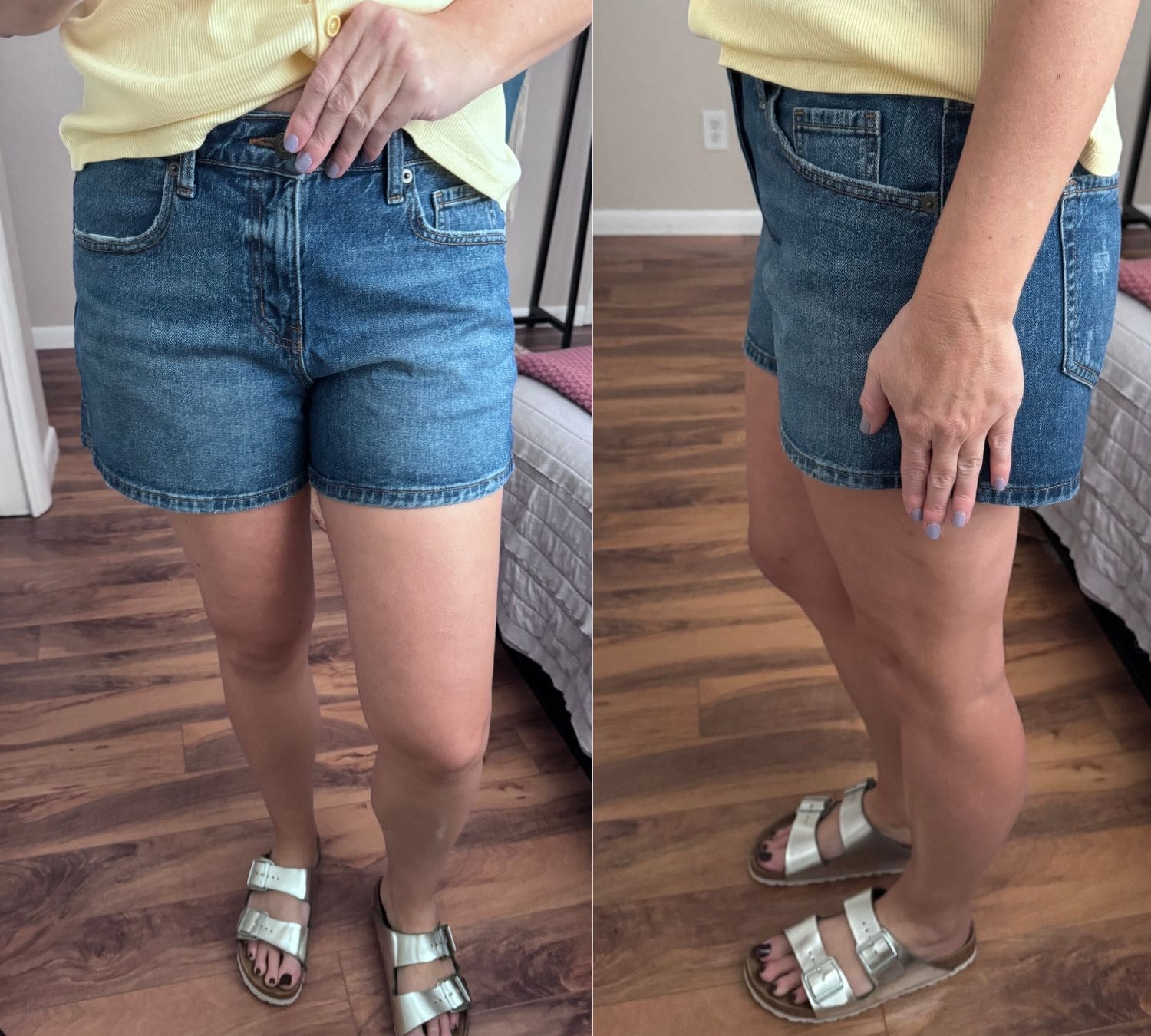
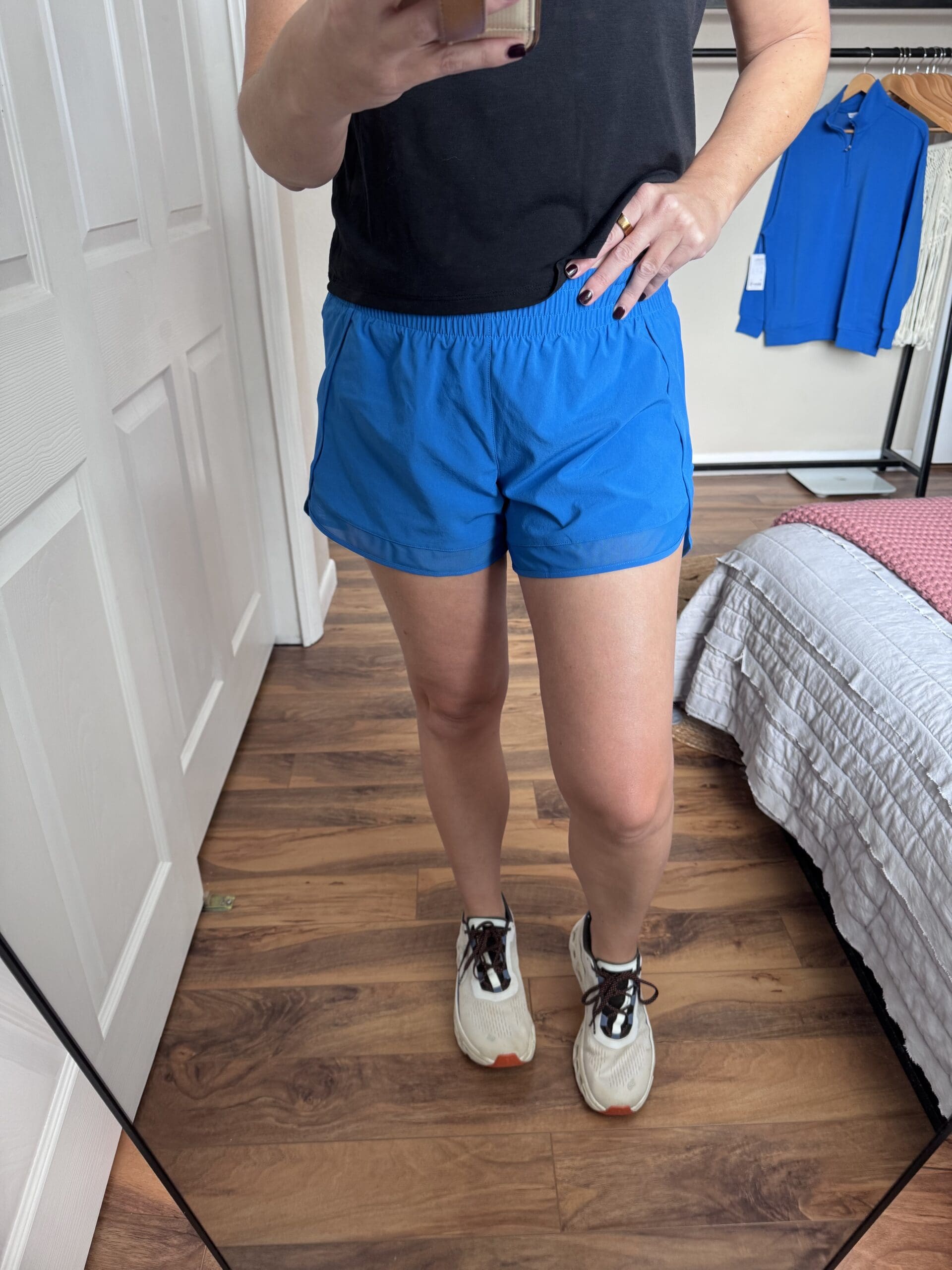
Spring is calling, and so are the shorts Team LIY has rounded up that you’ll want to live in all season long! From classic denim to comfy pull-ons and workout-ready styles made for everything from morning walks to weekend errands, these are the shorts that check all the boxes: cute, comfortable, and easy to wear. These are the pairs you’ll be reaching for on repeat all spring and summer long. Cheers to sunshine season!
Madalen Duke and Mike Mac ignite pure adrenaline on “I See Red”
The Canadian artist Madalen Duke and producer Mike Mac reunite on “I See Red,” their second collaborative release under the Parasol Music label. The track is part of a Formula 1 campaign currently airing on Apple TV+, and from the very first second, it makes it clear that it was built to move at high speed.
“I See Red” works as a direct surge of adrenaline, opening with an unapologetically bold intro driven by tense synths, a solid electronic foundation, and a steady pulse that echoes the sound of an engine racing down the final straight. Madalen’s voice enters strong, powerful, and controlled, establishing a commanding presence that rides the intensity of the beat.
Madalen Duke, already known for her cinematic sound and placements in productions such as The Old Guard, Shameless, and Assassin’s Creed, maintains that aesthetic here while pushing it into more aggressive territory.
The creative spark for “I See Red” came directly from the production. When Madalen Duke heard the intro sound Mike Mac sent her, she felt an immediate surge of energy, associating it with the color red as a symbol of power and momentum. Rather than overthinking it, she trusted her instinctive reaction and let that emotion guide the lyrics, embracing a songwriting philosophy centered on feeling and intuition.
According to Mike, the collaboration flows naturally, with most of their writing sessions happening over FaceTime and Madalen recording her vocals independently. “I See Red” was developed and finished within hours, fueled by their shared love for high-impact electronic production and the idea of triggering an instant shift into another zone. He sees the track as the start of much more music to come from the duo.
The song comes from pure impulse, the feeling of pressing a button and activating another version of yourself. It places you at the edge, heart racing, eyes fixed on the finish line.
“I See Red” also reinforces Parasol Music’s identity as a label dedicated to music created for visual media. This is a song that is not only heard but also seen. It carries the structure of a campaign, a trailer, and an extreme competition sequence. That quality makes it effective within the Formula 1 context while also standing firmly as a strong single within both artists’ catalogs.
With “I See Red,” Madalen Duke and Mike Mac not only confirm that they work seamlessly as a creative duo but also elevate their partnership to a new level. While their version of “Don’t Cha” carried a bold aesthetic, this single solidifies their sound with authority. The production and vocal performance sustain tension until the very last second. “I See Red” arrives fast, hits hard, and makes it clear that both artists know exactly which buttons to push to ignite the engine.
Does tahini need to be refrigerated? Technically, no. Tahini is a shelf-stable product and does not require refrigeration after opening. But the honest answer is: it depends on how fast you go through a jar. If you use tahini weekly, the pantry is perfectly fine. If a jar sits for months at a time, the fridge will protect it significantly better.
Unlike most condiments, tahini does not have a clear refrigerate-after-opening rule stamped on the label. The spoilage risk is not bacteria. It is rancidity, which is driven by heat, light, and oxygen over time. That distinction changes the storage calculus entirely.
For spoilage signs and shelf life details, see the companion post: Does Tahini Go Bad? For the full pantry condiment picture, visit our Food Storage Guide.
Short Answer
Tahini does not need to be refrigerated, but refrigeration does extend quality, especially once the jar is open. Frequent users (a jar every 1 to 2 months) can store tahini in a cool, dark pantry without issue. Infrequent users are better off refrigerating. Either way: keep it away from heat and light, always seal it tightly, and always use a dry spoon.
Why Tahini Does Not Strictly Need Refrigeration
Tahini is classified as a shelf-stable food. According to the USDA FSIS, shelf-stable foods can be safely stored at room temperature because their composition does not support the bacterial growth that causes foodborne illness.
In tahini’s case, the reason is its extremely high fat content and very low moisture. Bacteria and mold need water to thrive. Tahini’s environment is too oily and too dry for most microbes to establish themselves. The spoilage risk is not biological. It is chemical. Specifically, it is oxidative rancidity: the sesame oils slowly breaking down when exposed to oxygen, heat, and light.
That is important because rancidity is slowed by cool temperatures, not eliminated by them. Refrigeration does not prevent rancidity forever. It just slows the process down considerably, buying you months of additional quality.
Pantry vs. Fridge: Which Is Right for You?
Keep it in the pantry if:
You use a jar within 1 to 2 months of opening
Your pantry is genuinely cool and dark (not near the stove or a sunny window)
You prefer a pourable, easy-to-stir consistency
Your label does not specifically say to refrigerate after opening
Refrigerate if:
A jar lasts you 3 months or more
Your kitchen runs warm or gets direct sunlight
You want to maximize shelf life after opening
Your label says to refrigerate after opening. Follow it
Soom Foods states on their website that they prefer storing tahini in the pantry for everyday use, treating it similarly to olive oil or natural peanut butter. They also note that refrigeration is a good choice for longer-term storage. This reflects the general consensus across most tahini producers: pantry is fine for active use, fridge is better for infrequent use.
The main reason people avoid refrigerating tahini is texture. Cold temperatures cause the sesame oils to thicken significantly, turning a pourable, silky paste into something dense and stiff that can be genuinely difficult to stir or scoop.
A few ways to manage this:
Let it come to room temperature for 10 to 15 minutes before using. The paste softens noticeably.
Stir warm water into your bowl: not the jar, to thin the tahini you are using right now. A teaspoon at a time works well.
Use a hand blender or small food processor to re-emulsify a very thick or separated refrigerated jar.
Do not microwave the jar. Spot heating can cause uneven texture and degrade the oils at the hot spots.
What Your Label Is Actually Telling You
Tahini labels vary. Some say nothing about refrigeration. Others say “refrigerate after opening,” while some simply recommend “store in a cool, dry place” without specifying refrigeration.
If your label says to refrigerate after opening, follow it. The manufacturer designed their product with that recommendation in mind and it likely reflects something about the formulation or seed quality. If your label says “cool, dry place,” pantry storage with a well-sealed lid is the intent.
The USDA FSIS notes that best-by dates on shelf-stable products reflect peak quality rather than a safety cutoff. Tahini that has been stored properly and shows no signs of rancidity is generally still good past the printed date, regardless of storage method.
How to Store Tahini After Opening
Once you open a jar of tahini, the main goal is limiting its exposure to oxygen, heat, light, and moisture. The storage method matters less than getting those four basics right.
Pantry: Works well for frequent users. Keep the jar in a cool, dark cupboard away from the stove and out of direct sunlight. Seal the lid tightly after every use and always use a dry spoon. Expect peak quality for 3 to 6 months.
Refrigerator: Better for infrequent users or if you want to extend quality beyond 6 months. The tradeoff is texture: refrigerated tahini thickens considerably. Let it warm up for 10 to 15 minutes before using, or stir a small amount of warm water into your portion bowl to loosen it.
Freezer: A good option for bulk purchases or a large jar you will not finish quickly. Freeze in small portions, thaw at room temperature, and stir well before using.
Regardless of where you store it: stir the jar well before each use to redistribute the separated oil, and write the opening date on the lid so you are not guessing later.
The Non-Negotiable Storage Rules
Whether you choose the pantry or the fridge, these rules apply either way:
Never store near the stove, oven, or dishwasher: heat is the main driver of rancidity.
Never store in direct sunlight: UV light breaks down the sesame oils faster.
Always use a dry spoon: moisture introduced into the jar can cause mold, which is rare with tahini but preventable.
Seal the lid tightly every single time: oxygen exposure drives rancidity regardless of temperature.
Stir well before each use: oil separation is normal; redistribute it evenly rather than pouring it off.
Can You Freeze Tahini?
Yes. Tahini freezes well and can last up to a year or longer in the freezer. It is a useful option if you buy in bulk or have a large jar you will not use quickly. Freeze in small portions (ice cube trays work well) for easy thawing. When you are ready to use it, thaw at room temperature and stir well. The texture comes back once it warms up.
Putting That Jar to Good Use
Staying on top of an open jar is the best storage strategy of all. A few ways to keep tahini moving:
Blended into sauces for gluten-free meals as a rich, protein-packed base
Frequently Asked Questions
Does tahini go bad if not refrigerated?
It can, but slowly. The risk is rancidity, not bacteria. Tahini stored in a cool, dark pantry with the lid sealed tightly can last 3 to 6 months after opening at peak quality. Exposure to heat or light speeds that timeline up significantly. For longer storage, the fridge is the better choice.
How long does tahini last in the fridge after opening?
Refrigerated tahini holds peak quality for 6 to 12 months after opening. It is often still good beyond that, but flavor and texture gradually decline. Check for rancidity (sharp, chemical smell or taste) rather than relying solely on the date.
Why does my tahini get so thick in the fridge?
Cold temperatures cause the sesame oils to thicken considerably. This is normal and not a sign of spoilage. Let it sit at room temperature for 10 to 15 minutes before using, or stir a small amount of warm water into your bowl to thin it out.
Should I stir tahini before putting it in the fridge?
Yes — give it a good stir before refrigerating so the oils and paste are evenly combined. This makes it easier to work with later and reduces the chance of a hard, separated layer forming at the bottom.
Can you store tahini at room temperature after opening?
Yes, as long as conditions are right: a genuinely cool, dark spot away from heat and light, tightly sealed lid, and a dry spoon every time. If your kitchen runs warm or you will not finish the jar within a couple of months, refrigeration is the safer choice.
What happens if you leave tahini out on the counter?
A counter away from heat and sunlight is fine short-term. A counter next to the stove, in direct sun, or in a warm kitchen will accelerate rancidity noticeably. Cool and dark is the key — not necessarily cold.
Does tahini go bad? Yes, but it spoils in a way that trips almost everyone up. The number one mistake people make is dumping out the oil that has separated to the top of the jar, then assuming the thick paste left behind has gone bad too. That separated oil is completely normal. The real spoilage to watch for is rancidity, which is subtle, smells sharp and chemical, and is easy to confuse with tahini’s naturally earthy, bitter flavor.
Tahini is ground sesame seeds, and sesame seeds are packed with natural oils. Those oils act as a preservative, and they also eventually go rancid when exposed to heat, light, and air over time. Once you understand that distinction, you know everything you need to know about tahini spoilage.
Yes, tahini goes bad, but it takes a long time. Unopened tahini lasts 1 to 2 years in the pantry and is often still good for months past the best-by date. Once opened, expect peak quality for 3 to 6 months, and usable quality up to a year with proper storage. The main spoilage mode is rancidity, not mold. Oil separation on top is normal. Do not throw it out.
Why Tahini Spoils Differently Than Most Condiments
Most condiments go bad because of bacteria or mold. Tahini almost never does. It is essentially sesame paste in a very fatty, very low-moisture environment. It is exactly the kind of place bacteria and mold struggle to survive.
What tahini does instead is go rancid. Rancidity happens when the unsaturated fats in sesame oil are exposed to oxygen, heat, or light over time. The fats oxidize and break down into compounds that smell and taste sharp, bitter, and unpleasant. Rancid tahini is unlikely to make you sick (it is oxidation, not bacterial spoilage), but the flavor becomes genuinely unpleasant.
The tricky part
Tahini naturally has a slightly bitter, earthy, almost sharp flavor even when perfectly fresh. The test is not whether it tastes bitter. The question is whether that bitterness has intensified into something sharp, chemical, or paint-like. Normal tahini bitterness smells nutty. Rancid tahini smells like old cooking oil or nail varnish.
Good news: sesame seeds contain natural antioxidants called sesaminol and sesamol, which actively slow down oxidation. This is why good-quality tahini keeps considerably longer than most nut butters. Better sesame seeds mean longer natural protection.
Tahini Shelf Life at a Glance
Storage Situation
How Long It Lasts
Unopened — pantry
1 to 2 years; often good past the best-by date
Opened: cool, dark pantry
Peak quality 3 to 6 months; often usable up to best-by date
Opened — refrigerated
6 to 12 months peak quality
Homemade tahini
Refrigerate and use within 3 to 4 weeks
According to the USDA FSIS, best-by dates on shelf-stable products indicate peak quality, not a safety cutoff. For tahini stored properly in a cool, dark pantry, usable life frequently extends well past the printed date.
Soom Foods, a well-regarded tahini producer, states on their website that opened tahini can last up to a year after opening when kept free from moisture contamination, and that they prefer pantry storage for everyday use. Always check the label on your specific brand since formulations vary.
How to Tell If Tahini Has Gone Bad
Fresh tahini is smooth (or separated with clean oil on top), light to medium beige-brown, and smells nutty and earthy with mild natural bitterness. Here is how to read the signs correctly.
Toss It
Sharp, chemical, or paint-like smell. This is the primary rancidity signal. Rancid tahini smells noticeably off, like old cooking oil, nail varnish, or something faintly chemical. It is unmistakable once you know what you are smelling for. If opening the jar makes you recoil, trust that instinct.
Aggressively bitter or harsh taste. Rancid tahini tastes sharply bitter with a chemical edge that lingers unpleasantly, clearly different from normal sesame flavor. A small taste that makes you want to spit it out means it has gone rancid.
Completely dried out or crumbly. Very old or poorly stored tahini can harden into a dry, crumbly solid. Quality is gone at this point and it should be replaced.
Visible mold. Rare with tahini, but possible if a wet spoon introduced moisture into the jar. Any fuzzy growth means the whole jar goes.
Totally Normal: Keep It
Oil separated on top. This is the one everyone gets wrong. Tahini is ground sesame seeds with naturally occurring oils, and those oils rise to the surface over time, just like natural peanut butter. The thick paste settles to the bottom; a layer of golden oil sits on top. Stir it vigorously back in before using. Do not pour it off.
Do not pour off the separated oil
That oil is not surplus. It is part of the tahini. Pour it off and you are left with a dry, crumbly paste that has lost its texture and most of its flavor. Always stir it back in. For a very separated jar, a hand blender does the job quickly.
Natural earthy bitterness. Sesame seeds have a naturally bitter, slightly sharp flavor. Good tahini always tastes this way. Fresh bitterness is pleasant and nutty. Rancid bitterness is harsh, chemical, and lingers badly.
Dark specks in the paste. Black or dark brown flecks are remnants of sesame hull not fully removed during processing. That is a quality variable, not a spoilage sign.
Thick, stiff consistency from the fridge. Cold temperatures make tahini significantly firmer. Not spoilage. Just physics. Let it come to room temperature for 10 to 15 minutes, or stir a small amount of warm water into your bowl (not the jar) to thin it.
What Speeds Up Spoilage
Heat and direct light. These are the primary drivers of rancidity. A jar sitting on a sunny counter or next to the stove can go rancid in weeks rather than months. Cool, dark storage is the single biggest factor in how long your tahini stays good.
Moisture in the jar. Tahini’s low moisture content is what keeps mold away. A wet spoon dipped into the jar introduces water and creates mold risk. Always use a dry utensil.
Seed quality and processing. Higher quality tahini made from freshly harvested sesame seeds contains more natural antioxidants and lasts longer. Organic and minimally processed varieties may go rancid slightly faster than commercial brands with added stabilizers.
Hull-on vs. hulled sesame. Unhulled (whole) sesame tahini has a stronger flavor and a slightly shorter shelf life. Hulled tahini is smoother, milder, and the most common variety in stores.
Storage Tips That Actually Matter
Cool, dark pantry for frequent use: away from the stove, dishwasher, and any sunlight. Same storage logic as olive oil.
Refrigerate if you use it infrequently: the fridge significantly extends quality beyond 6 months after opening.
Always use a dry spoon: moisture is the fastest way to shorten a jar’s life.
Seal tightly after every use: oxygen drives rancidity; minimize air exposure each time.
Stir well before using: especially after sitting for a while, redistribute the oil evenly through the paste.
Write the opening date on the lid: saves the guessing game months down the road.
Homemade tahini is different: no preservatives, must stay refrigerated, use within 3 to 4 weeks.
Great Ways to Use Up an Open Jar
Tahini is one of the most versatile pantry staples around. A few ideas to keep that jar moving:
Rancid tahini has a sharp, chemical, or paint-like smell clearly different from its normal nutty aroma. The taste becomes aggressively bitter with a chemical edge. If it smells fine and the bitterness tastes like sesame rather than something off, it is probably still good.
Is it safe to eat rancid tahini?
Rancid tahini is unlikely to make you sick. Rancidity is an oxidation process, not bacterial spoilage. The flavor is genuinely unpleasant, though. Most people discard it rather than use it.
Why is there oil floating on top of my tahini?
Completely normal. The sesame oils in tahini naturally separate and rise to the surface over time, just like natural peanut butter. Stir it vigorously back into the paste before using. Never pour it off; you need it for proper texture and flavor.
How long does tahini last once opened?
Opened tahini in a cool, dark pantry stays at peak quality for 3 to 6 months and is often usable up to the best-by date. Refrigerated, quality holds for 6 to 12 months. Brand and seed quality affect this range, so check your label for the manufacturer’s specific guidance.
Can you use tahini past the expiration date?
Yes, if stored properly and showing no signs of rancidity. The USDA FSIS confirms best-by dates reflect peak quality, not a safety cutoff. Smell and taste are more reliable guides than the date for an oil-based product like tahini.
Does tahini need to be refrigerated?
It depends on how often you use it. Frequent users can keep tahini in a cool, dark pantry. Infrequent users are better off refrigerating to slow rancidity. Full breakdown: Does Tahini Need to Be Refrigerated?
What does rancid tahini taste like?
Rancid tahini tastes sharply and aggressively bitter with a chemical or metallic edge that lingers on the tongue. It is distinctly different from the natural earthy bitterness of fresh tahini, which is pleasant and nutty. The smell is usually the first giveaway: rancid tahini smells like old cooking oil, nail varnish, or something faintly chemical. Once you taste that chemical sharpness, you will know immediately. It does not taste like sesame anymore.
Does tahini go bad not refrigerated?
It can, but slowly. An unopened jar in a cool, dark pantry can last 1 to 2 years. Once opened, pantry-stored tahini stays at peak quality for 3 to 6 months. The risk is rancidity, not bacteria. Heat and light exposure accelerate that timeline significantly, so storage conditions matter more than whether the fridge is involved.
Does tahini spoil in the fridge?
Yes, eventually. Refrigeration slows rancidity considerably but does not stop it permanently. Refrigerated opened tahini typically holds peak quality for 6 to 12 months. After that, quality gradually declines. Check for a sharp, chemical smell or an aggressively bitter taste. If it still smells and tastes like sesame, it is fine.
What happens if you eat expired tahini?
If the tahini is rancid, you are unlikely to get sick. Rancidity is an oxidation process, not bacterial spoilage. It makes food unpleasant but rarely dangerous. You might notice an off, bitter, or chemical taste. If the tahini has somehow developed mold (which is rare), the calculus changes and you should discard it. When in doubt, trust your nose: rancid tahini has an unmistakable off smell.
Does hoisin sauce need to be refrigerated? Unopened, no. Once opened, yes. And the reason is different from most condiments. Hoisin sauce contains a significant amount of sugar alongside its fermented soybean base. That sugar is what gives hoisin its distinctive sweet, rich flavor. It is also what makes opened hoisin more vulnerable to mold and spoilage than salt-heavy condiments like fish sauce or soy sauce.
You will almost always find hoisin sauce sitting on unrefrigerated shelves at Asian grocery stores. That is fine — the sealed bottle is shelf-stable. The moment you break that seal, refrigeration becomes the right call. Here is the full breakdown of why, what happens without it, and how long it lasts either way.
Short answer: Unopened hoisin sauce does not need refrigeration. Cool, dark pantry storage is fine for up to 18 to 24 months. Once opened, refrigerate it. The high sugar content makes hoisin more susceptible to mold at room temperature than fish sauce or soy sauce. Opened and refrigerated, it keeps peak quality for 6 to 12 months.
Key Takeaways
Unopened: no refrigeration needed. Store in a cool, dark pantry for up to 18 to 24 months.
Opened: refrigerate immediately. Do not leave it on the counter long-term.
Why hoisin is different: its sugar content makes it more mold-prone than salt-based condiments once opened.
Left out accidentally? A few hours is fine. A few days — check carefully before using.
Infrequent user? Refrigeration matters even more for you. The less often you open the jar, the longer each exposure to warm air accumulates.
Unopened vs. Opened: Two Different Rules
The same question applies to almost every condiment in your fridge door — and hoisin follows a clear two-stage rule that is worth understanding once and never thinking about again.
Unopened Hoisin — No Refrigeration Needed
Commercially sealed hoisin sauce is shelf-stable. The sealed bottle protects the sauce from air and bacteria, and the combination of fermented soybean paste, vinegar, sugar, and salt keeps it stable at room temperature for 18 to 24 months. Store it in a cool, dark pantry away from direct sunlight and heat sources like the stove or dishwasher. The best-by date is your reference point, but according to the USDA FSIS, these dates signal peak quality, not a safety deadline. Properly stored, many unopened bottles are still good several months past the date on the label.
Opened Hoisin — Refrigerate It
Once you open the jar, the chemistry changes. Unlike fish sauce (which is roughly 20 to 30% salt by weight) or soy sauce, hoisin does not have enough salt to inhibit bacterial and mold growth on its own. Its vinegar content helps, but the sugar creates an environment where mold can establish itself — especially at room temperature. The FDA’s safe food handling guidelines recommend refrigerating opened condiments containing perishable ingredients to slow bacterial growth.
Why hoisin isn’t like soy sauce: Soy sauce can survive months at room temperature after opening because its salt content is high enough to inhibit microbial growth. Hoisin trades salt for sugar to create its sweeter flavor profile — and that trade-off means it needs the fridge once opened. Same shelf at the grocery store; different rules at home.
What Actually Happens If You Don’t Refrigerate Opened Hoisin?
Not refrigerating opened hoisin is not a disaster the same day. Here is a realistic timeline of what happens depending on conditions:
A few hours: Completely fine. No change in quality or safety — you left it out while cooking or forgot to put it away. Just refrigerate it when you remember.
A day or two: Still fine with the lid sealed, assuming it was not left in direct sunlight or near the stove. Minimal quality change.
One to two weeks: Quality starts declining. The sauce may begin to dry out around the edges of the jar, flavor weakens, and the texture loses some of its glossy smoothness. Still likely safe, but noticeably less fresh.
One month or more: Real spoilage risk. Mold may appear on the surface or around the cap. The sauce may develop a sour smell. Dried, rubbery texture throughout the jar is common at this stage. Discard it and replace.
Hoisin Sauce Storage at a Glance
Situation
What to Do
How Long It Lasts
Unopened
Cool, dark pantry
18 to 24 months
Opened — Refrigerated
Middle shelf, tightly sealed
6 to 12 months peak; up to 18 months
Opened — Room Temp
Only if using within days
1 to 2 weeks before quality drops
Past Best-By (unopened)
Check spoilage signs before using
Often still good if stored properly
Storage Tips That Make a Real Difference
Middle shelf, not the door. Fridge doors experience temperature swings every time you open the fridge. A middle shelf keeps temperature consistent, which matters for a sticky, sugar-rich sauce.
Seal tightly every single time. Hoisin dries out with air exposure in a way other sauces do not. A loose cap over weeks turns into a rubbery, unusable jar.
Wipe the rim before sealing. Hoisin is thick and sticky — residue around the rim dries and can harbor mold. A quick wipe with a paper towel before closing keeps the jar clean.
Pour into a bowl, do not dip. Introducing food particles from a used spoon or chopstick directly into the jar speeds spoilage. Pour out what you need.
Write the opening date on the lid. A 30-second step that prevents the six-months-later guessing game entirely.
Infrequent user? Consider a smaller bottle. Lee Kum Kee and other major brands sell hoisin in small bottles. If you only use it for occasional stir-fries or Chinese Chicken Lettuce Wraps, a smaller jar means fresher sauce every time.
Frequently Asked Questions
Does hoisin sauce need to be refrigerated before opening?
No. Unopened hoisin sauce is shelf-stable and stores well at room temperature in a cool, dark pantry for 18 to 24 months. Refrigerating it before opening provides no benefit and is not necessary.
What happens if I forget to refrigerate hoisin sauce after opening?
One night out with the lid sealed is no problem at all — just refrigerate it next time. A few days at room temperature with a sealed lid is likely still fine; inspect it before using. A week or more at room temperature, especially in a warm kitchen, means it is worth a careful smell and texture check before using.
How long does opened hoisin sauce last in the fridge?
Opened hoisin sauce refrigerated on a middle shelf and kept tightly sealed stays at peak quality for 6 to 12 months. With careful storage it often remains usable up to 18 months. The USDA FoodKeeper app recommends using opened hoisin within several months for best quality.
Why is hoisin sauce sold unrefrigerated at the store if it needs to be refrigerated?
The same reason ketchup, jelly, and mustard live on unrefrigerated shelves before purchase — commercially sealed bottles are shelf-stable until opened. Once the seal is broken, air and bacteria enter the jar, and the sauce begins degrading. Refrigeration slows that process. The grocery store does not refrigerate it; your kitchen fridge should.
Can hoisin sauce go bad even when refrigerated?
Yes, eventually. Refrigeration significantly slows the process but does not stop it entirely. After 18 months in the fridge, even well-stored hoisin will lose quality. Always check for mold, a sour smell, or a dried-out texture before using — regardless of storage method. For the full spoilage guide see: Does Hoisin Sauce Go Bad?
Is hoisin sauce similar to soy sauce in terms of storage?
No — and this is the key thing to understand. Soy sauce can survive at room temperature for months after opening because of its very high salt content. Hoisin trades some of that salt for sugar to create its sweeter flavor, and that changes its preservation chemistry. Treat hoisin more like a sweet condiment (like BBQ sauce or teriyaki) than a salt-preserved fermented sauce. See also: Should Soy Sauce Be Refrigerated?
Putting That Jar to Good Use
If this post reminded you there is a jar of hoisin in the back of your fridge, put it to work before it dries out:
Does hoisin sauce go bad? Yes, hoisin sauce does go bad — and it spoils differently than most other Asian condiments in your fridge door. While fish sauce and soy sauce rely heavily on salt for preservation, hoisin sauce is loaded with sugar. That sugar gives it the rich, sweet-savory flavor it is famous for. It also makes it a better environment for mold and bacteria once the bottle is opened.
Most people buy hoisin for a single recipe — spring rolls, Peking duck, a quick stir-fry — and then forget it in the back of the fridge for months. Sound familiar? This guide covers exactly how long it lasts, the spoilage signs that are easy to miss, and how to store it so you are not throwing out half a jar every time.
Short answer: Yes, hoisin sauce goes bad. Unopened, it stays at peak quality for 18 to 24 months in the pantry. Once opened and refrigerated, expect 6 to 18 months of good quality. The first spoilage sign most people miss: the sauce dries out and turns rubbery before mold ever appears. If yours has that thick, cracked texture — it is past its prime.
Key Takeaways
Hoisin sauce goes bad faster than fish sauce or soy sauce — its high sugar content makes it more vulnerable to mold once opened.
Unopened: 18 to 24 months in the pantry; often fine for months past the best-by date.
Opened and refrigerated: peak quality for 6 to 12 months, usable up to 18 months.
The spoilage sign most people miss: rubber-like texture and dried-out edges — this happens before visible mold.
Separation and color darkening are normal — give it a stir and it is fine.
Best-by dates are quality indicators, not safety deadlines.
Why Hoisin Sauce Goes Bad Differently Than Other Asian Condiments
This is the part nobody explains. And it matters for knowing what to look for.
Fish sauce is roughly 20 to 30% salt by weight. Soy sauce is similarly salt-heavy. That salt creates an inhospitable environment for bacteria and mold, which is why both can survive for years at room temperature after opening without obvious spoilage.
Hoisin is a different animal. Its base is fermented soybean paste, but it also contains significant amounts of sugar, vinegar, garlic, and sesame oil. The vinegar and fermentation provide some preservation, but the sugar creates conditions where mold can take hold — especially at room temperature.
The sugar factor: High sugar content reduces water activity, which slows bacterial growth — but hoisin has enough moisture that mold can still develop, especially if the jar is left warm or contaminated with food particles. Refrigeration is not optional once the jar is opened.
The fermented soybean base is also worth noting. Some people mistake the normal slightly funky smell of hoisin for spoilage. It should smell deeply savory, sweet, and mildly pungent — think soy sauce meets molasses. If it smells sour, sharp, or yeasty in a bad way, that is a different story.
How Long Does Hoisin Sauce Last?
Storage Method
How Long It Lasts
Unopened — Pantry
18 to 24 months (check label); often fine past best-by
Opened — Refrigerated (peak quality)
6 to 12 months
Opened — Refrigerated (still usable)
Up to 18 months if no spoilage signs
Opened — Room Temperature
A few weeks at best; quality drops fast
Past Best-By Date (unopened, stored properly)
Often still good — check for spoilage signs
According to the USDA FoodKeeper app, hoisin sauce keeps best quality for several months once opened and refrigerated. The USDA FSIS confirms that best-by dates on shelf-stable products reflect peak quality, not a safety deadline. An unopened bottle in a cool, dark pantry can often be used well past its printed date if it shows no spoilage signs.
How to Tell If Hoisin Sauce Has Gone Bad
Fresh hoisin sauce is thick, dark brown, smooth, and glossy. It smells sweet, savory, and richly fermented. Here is what to look for when you are not sure.
Signs It Has Gone Bad
Rubbery or dried-out texture. This is the spoilage sign unique to hoisin — and the one most people miss. Because hoisin is thicker and stickier than other condiments, it can dry out and develop a rubbery, cracked, or leathery consistency before mold ever appears. If the sauce has lost its glossy flow and looks congealed or stiff, it is past its prime. Do not try to revive it with water — the flavor will have already degraded.
Visible mold. Fuzzy white, green, or grey spots on the surface or around the cap or lid are a clear sign. Discard the entire jar — mold roots extend deeper than what is visible.
A sour, sharp, or fermented-off smell. Hoisin is supposed to smell rich and a little funky — that is normal. What is not normal is a sour or vinegary edge that was not there before, or a yeasty, fermented smell that catches in the back of your throat. Trust your nose on this one.
Swollen lid or bottle. Any pressure buildup inside the jar indicates bacterial activity. Discard it immediately and do not taste test.
Signs That Are Completely Normal
Separation — darker liquid on top, paste at the bottom. Hoisin sauce separates over time as the heavier particles settle. This is identical to natural peanut butter separating in the jar. Give it a good stir before using and it will be as good as new.
Darkening color. Like oyster sauce, hoisin naturally gets darker over time due to oxidation. Color change alone is not a spoilage sign — smell and texture tell the real story.
Slightly stronger flavor. The fermented notes may intensify with age. If it still smells right and looks right, use it. If the flavor is so strong it is unpleasant in a dish, that is a quality issue rather than a safety one.
The check: Open the jar. Stir it. Smell it. If it looks glossy and pours smoothly, smells deeply savory-sweet, and has no mold — it is fine. Rubbery texture or a sour smell means it is time to replace it.
What Affects How Long Hoisin Sauce Lasts?
Temperature — the biggest factor. Hoisin stored at room temperature after opening degrades significantly faster than refrigerated hoisin. The sugar content that makes it delicious also makes it more susceptible to microbial activity at warmer temperatures.
Lid hygiene. Wiping the jar lip before sealing keeps dried sauce residue from becoming a mold entry point around the cap. It takes two seconds and makes a real difference over months of storage.
Contamination from utensils. Dipping a used spoon directly into the jar introduces food particles and bacteria. Pour into a small dish for dipping rather than double-dipping back into the jar.
Brand and preservative content. Some commercial hoisin sauces contain sodium benzoate or acetic acid as preservatives, which meaningfully extend shelf life. Lee Kum Kee and Kikkoman formulations tend to keep longer than smaller-batch brands. Check the label — if yours contains preservatives, it will likely outlast the conservative estimates above.
How to Store Hoisin Sauce Properly
Unopened: cool, dark pantry away from the stove or dishwasher. No refrigeration needed.
Opened: refrigerate immediately. This is the single most important step.
Middle shelf, not the door. Door shelves experience more temperature swings — consistent cold is key.
Seal tightly after every use. Oxygen is the main driver of quality loss and drying.
Wipe the jar neck clean before sealing to prevent residue buildup around the lid.
Pour into a dish rather than dipping directly from the jar to prevent contamination.
Note the opening date on the lid with a marker — saves guesswork six months later.
Using Hoisin Sauce? Try These Recipes
Hoisin is one of those sauces that works as a glaze, a dipping sauce, a stir-fry base, and a marinade all at once. If you have a fresh jar and need inspiration:
Opened hoisin sauce refrigerated and tightly sealed stays at peak quality for 6 to 12 months. Many bottles remain usable up to 18 months if stored properly and show no spoilage signs. At room temperature after opening, quality drops within weeks.
Can you use hoisin sauce past its expiration date?
Yes, if the bottle is unopened and stored properly in a cool, dark pantry, hoisin sauce is often still good for months past its best-by date. The USDA FSIS confirms best-by dates indicate peak quality, not safety. For opened hoisin, rely on spoilage signs — texture, smell, and mold — rather than the date alone.
What does bad hoisin sauce look like?
Bad hoisin sauce may show visible mold (fuzzy spots on the surface or around the cap), a rubbery or dried-out texture where it has lost its smooth glossy consistency, or a darker, duller color than normal. Separation alone is not a spoilage sign — stir it and see if it smooths out.
Does hoisin sauce smell sour when it goes bad?
Yes. Fresh hoisin has a rich, sweet-savory, fermented aroma. When it begins to spoil, it develops a sharp sour edge or an unpleasant yeasty smell that is distinctly different from its normal scent. If the smell has changed noticeably, discard it.
Is it okay if hoisin sauce has separated in the jar?
Yes, separation is completely normal. The heavier particles settle to the bottom over time, leaving a darker liquid layer on top. This is the same as natural peanut butter separating. Stir well before using and the sauce will blend back together.
Does hoisin sauce need to be refrigerated after opening?
Yes. Unlike fish sauce or soy sauce, hoisin’s high sugar content makes it more vulnerable to mold and bacteria at room temperature. Refrigeration significantly extends quality and shelf life. See the full breakdown in our companion guide: Does Hoisin Sauce Need to Be Refrigerated?


 In my dreams. We aren’t actually permitted to have one of those but if I find one that resembles a dog well enough, all bets are off.























 Cheers to sunshine season!




 Medium Wash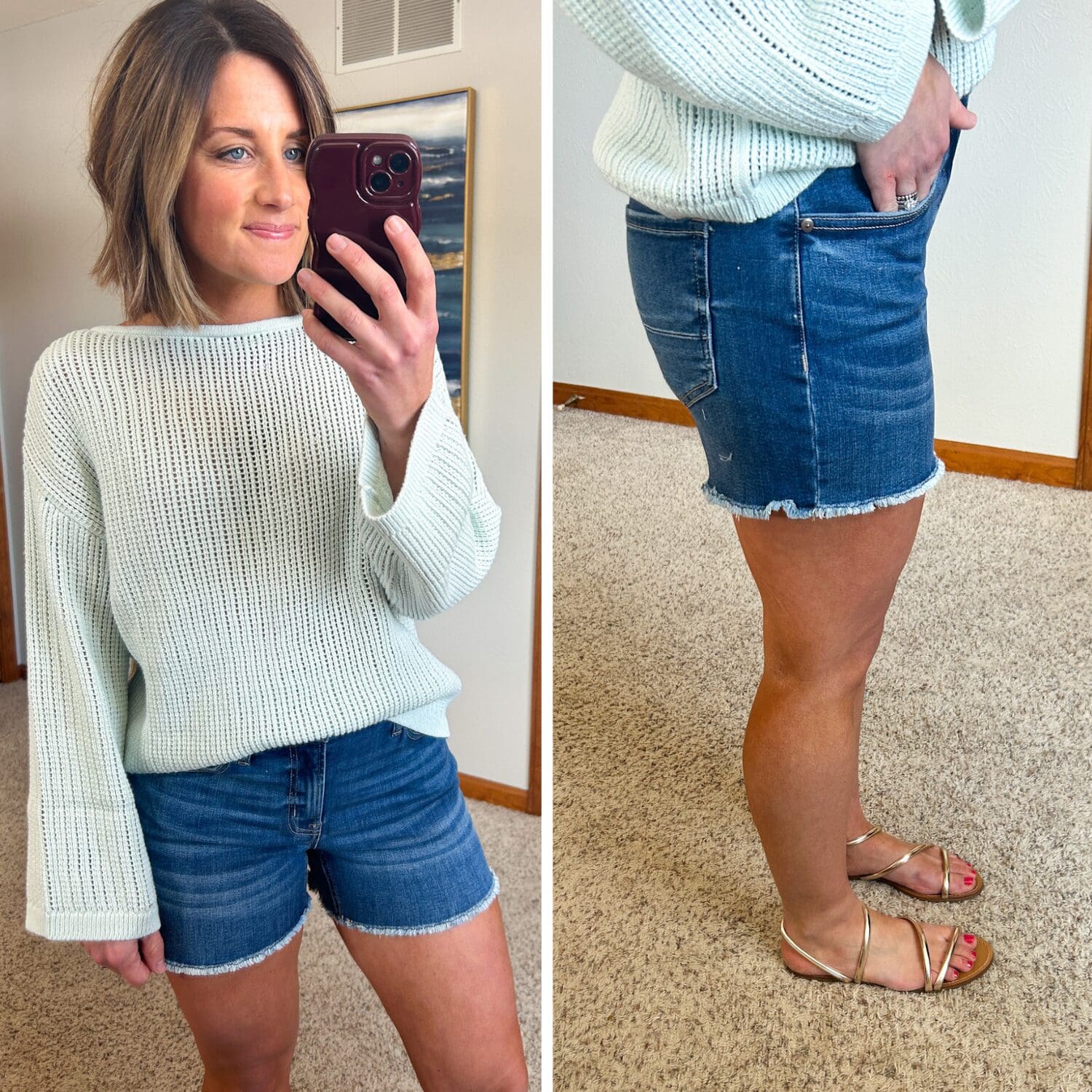















 Short Answer
 Why Tahini Does Not Strictly Need Refrigeration
 Pantry vs. Fridge: Which Is Right for You?
 Keep it in the pantry if:
 How Storage Location Affects Shelf Life
 The Refrigerator Tradeoff: Texture
 What Your Label Is Actually Telling You
 How to Store Tahini After Opening
 Putting That Jar to Good Use
 Frequently Asked Questions
 Related Posts
 The tricky part
 How to Tell If Tahini Has Gone Bad
 Toss It
 Sharp, chemical, or paint-like smell. This is the primary rancidity signal. Rancid tahini smells noticeably off, like old cooking oil, nail varnish, or something faintly chemical. It is unmistakable once you know what you are smelling for. If opening the jar makes you recoil, trust that instinct.
 Aggressively bitter or harsh taste. Rancid tahini tastes sharply bitter with a chemical edge that lingers unpleasantly, clearly different from normal sesame flavor. A small taste that makes you want to spit it out means it has gone rancid.
 Opened Hoisin — Refrigerate It
 A few hours: Completely fine. No change in quality or safety — you left it out while cooking or forgot to put it away. Just refrigerate it when you remember.
 One month or more: Real spoilage risk. Mold may appear on the surface or around the cap. The sauce may develop a sour smell. Dried, rubbery texture throughout the jar is common at this stage. Discard it and replace.
 Putting That Jar to Good Use
 Rubbery or dried-out texture. This is the spoilage sign unique to hoisin — and the one most people miss. Because hoisin is thicker and stickier than other condiments, it can dry out and develop a rubbery, cracked, or leathery consistency before mold ever appears. If the sauce has lost its glossy flow and looks congealed or stiff, it is past its prime. Do not try to revive it with water — the flavor will have already degraded.
 Visible mold. Fuzzy white, green, or grey spots on the surface or around the cap or lid are a clear sign. Discard the entire jar — mold roots extend deeper than what is visible.
 The check: Open the jar. Stir it. Smell it. If it looks glossy and pours smoothly, smells deeply savory-sweet, and has no mold — it is fine. Rubbery texture or a sour smell means it is time to replace it.